
Erodium ruthenicum
Erodium ruthenicum
Description
Sowing dates
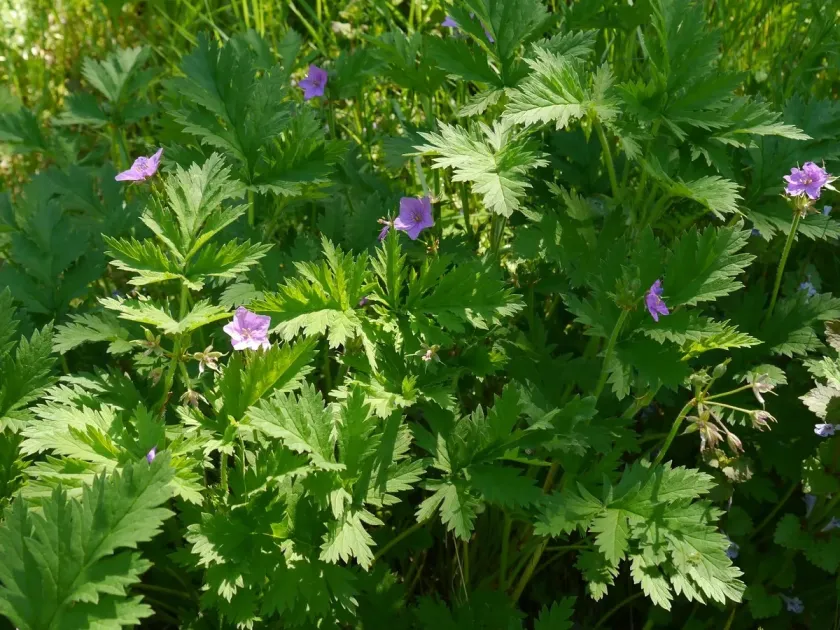
Erodium ruthenicum is a herbaceous perennial belonging to the Geraniaceae family. Native to steppe regions, it is known for its resilience and adaptability to dry, harsh environments.
Sowing should be performed in early spring once the soil temperature is stable. Autumn sowing is also a viable option to allow for natural stratification, which improves germination rates.
The seeds should be sown at a shallow depth of approximately 1–2 centimeters, ensuring the soil is well-prepared and free of large clods to facilitate root penetration.
Proper spacing between rows is essential to ensure adequate airflow, which prevents the development of fungal infections in the dense foliage of the maturing plants.
Young seedlings require careful watering during the first few weeks, but once established, the plants demonstrate significant independence and vigor.
Growing requirements
This species thrives in full sun exposure. Choosing an open location with no shading is critical for achieving optimal growth and vigorous flowering cycles.
Soil quality is paramount; Erodium ruthenicum prefers well-drained, sandy or gravelly soil types that mimic its natural habitat on rocky slopes.
The plant is highly drought-tolerant, capable of surviving long dry spells, making it an excellent candidate for low-maintenance agricultural projects in arid regions.
Soil pH should be kept within a neutral to slightly alkaline range. High acidity is generally detrimental to the plant's health and should be avoided or corrected.
The plant is remarkably hardy and can withstand freezing temperatures without needing special winter protection, provided the ground remains sufficiently drained.
Main diseases and pests
The most common pests include aphids, which may cluster on the tender parts of the stems. Early intervention is necessary to prevent significant damage to the plant vitality.
Fungal diseases, specifically powdery mildew, are the primary health risks, especially if the plants are subjected to high humidity and poor ventilation.
Preventative measures include maintaining adequate spacing and ensuring the soil does not stay saturated, which helps to keep the roots healthy and resilient.
In case of pest outbreaks, organic pest control methods are preferred to maintain the integrity of the plant for its potential medicinal or ecological uses.
Routine scouting of the fields is highly recommended to detect any signs of illness or infestation, allowing for quick action before the problem becomes widespread.