
Erodium rodiei
Erodium rodiei
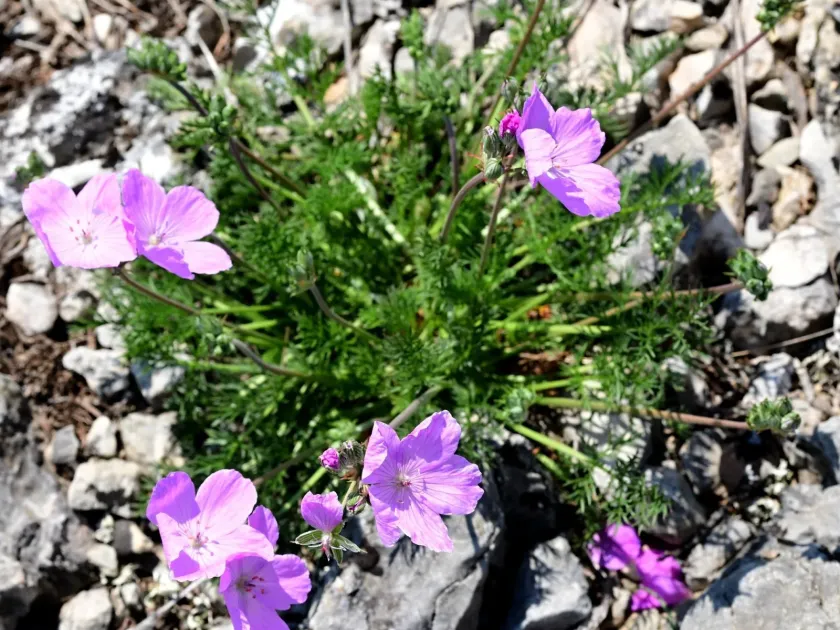
Description
Sowing dates
Erodium rodiei is a perennial herb belonging to the Geraniaceae family. It is highly regarded by horticulturists for its delicate growth habit and suitability for alpine and rock garden environments.
Sowing typically begins in early spring. The seeds require a period of stratification to improve germination rates, mimicking the natural cold cycles of the plant’s native habitat.
When starting seeds, use a well-draining, gritty seed-starting mix. Surface sowing or covering seeds with a very thin layer of sand is recommended, as they require light and air circulation to break dormancy properly.
Once seedlings have developed their first true leaves, they should be transplanted into individual pots to encourage strong root development before being moved to their permanent location in the garden.
Space the plants at least 20 centimeters apart to ensure adequate airflow. This prevents moisture from accumulating around the foliage, which is essential for maintaining the overall health of the specimen.
Growing requirements
This species thrives in lean, well-draining soils. Rocky, sandy, or alkaline substrates are ideal, as they prevent the root rot to which this species is highly susceptible.
Sunlight is a non-negotiable requirement for Erodium rodiei. It needs full sun exposure to maintain its dense, cushion-like form and to stimulate the production of its characteristic blooms.
Watering must be managed carefully. While the plants require moisture during their establishment phase, mature plants prefer to dry out between watering sessions to avoid fungal issues.
The plant is hardy but prefers a cool climate with good ventilation. In extreme heat, providing slight midday shade can help prevent the plant from becoming stressed and losing its vigor.
Fertilization should be kept to a minimum. Over-feeding with nitrogen-rich products will result in soft, leggy growth that is prone to disease and lacks the classic aesthetic of the species.
Main diseases and pests
The primary threat to this culture is root rot caused by stagnant water or poor drainage. This condition is often exacerbated by humid weather or excessive soil moisture.
Pests such as aphids and spider mites may target the foliage during warm, dry spells. Keeping the plants healthy through proper spacing is the best natural defense against these infestations.
Fungal pathogens like botrytis can appear if there is poor air circulation around the crown of the plant. Regular maintenance, including the removal of dead or decaying leaves, is recommended.
If chemical intervention becomes necessary, use targeted fungicides or insecticides only after carefully identifying the specific issue to avoid harming beneficial garden insects.
Monitoring the soil moisture levels is the most effective way to prevent the majority of health issues associated with this plant. A dry, porous surface around the plant base is always preferred.