
Erodium reichardii
Erodium reichardii
Description
Sowing dates
Erodium reichardii is typically propagated through seeds or by dividing established clumps. Sowing is best carried out in the spring months when temperatures start to rise consistently.
When starting from seeds, use a well-draining substrate in seed trays. Seeds should be sown on the surface and lightly pressed in, as they require light to germinate effectively.
Temperature control is essential, with an optimal range between 18 and 20 degrees Celsius. Keep the substrate consistently moist but not waterlogged during the germination process.
Transplanting seedlings to their final location should be done after the danger of frost has passed. Ensure each plant has enough space to spread into a dense, attractive mat.
Division of mature plants is best performed in early spring or autumn. This method ensures that the new sections have enough time to establish a root system before the onset of extreme weather.
Growing requirements
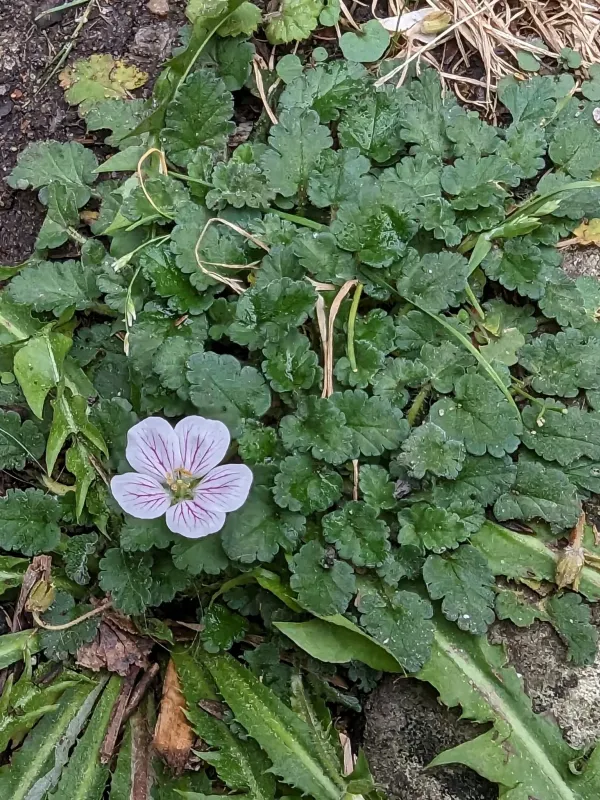
Erodium reichardii belongs to the Geraniaceae family and is native to the Balearic Islands. It is a slow-growing perennial that forms low, compact mats, making it ideal for rock gardens.
The soil must have excellent drainage. It thrives in gritty, sandy soils and is highly susceptible to root rot if the roots are left sitting in standing water for prolonged periods.
This plant demands full sun exposure to maintain its characteristic compact shape and produce abundant flowers. Providing partial shade will result in straggly growth and reduced floral displays.
Nutrient requirements are modest; it prefers lean, slightly alkaline to neutral soils. Excessive fertilization will lead to rapid but weak vegetative growth that is more prone to diseases.
Regarding climate, the plant prefers moderate temperatures and is not fully hardy in extremely cold regions. In colder zones, it is best kept in pots that can be moved to a sheltered area during winter.
Main diseases and pests
Root rot is the most significant threat to Erodium reichardii, usually stemming from overwatering or poor soil drainage. Ensuring a proper gravel layer is essential for preventing this issue.
Fungal infections, such as powdery mildew, may occur if humidity remains too high and airflow is insufficient. Proper spacing between plants helps maintain a healthy microclimate.
Spider mites are common pests in hot, dry conditions. They feed on the sap of the leaves, causing discolouration and overall decline in plant health if not managed promptly.
Aphids can infest young growth during the active growing season. Regular inspection and localized treatment with horticultural soaps are usually effective in controlling these pests.
Slugs and snails can cause damage to the foliage, particularly in damp spring weather. Using physical barriers or organic bait can help protect the plants from these mollusks.