
Neurad-leaved stork's bill
Erodium neuradifolium
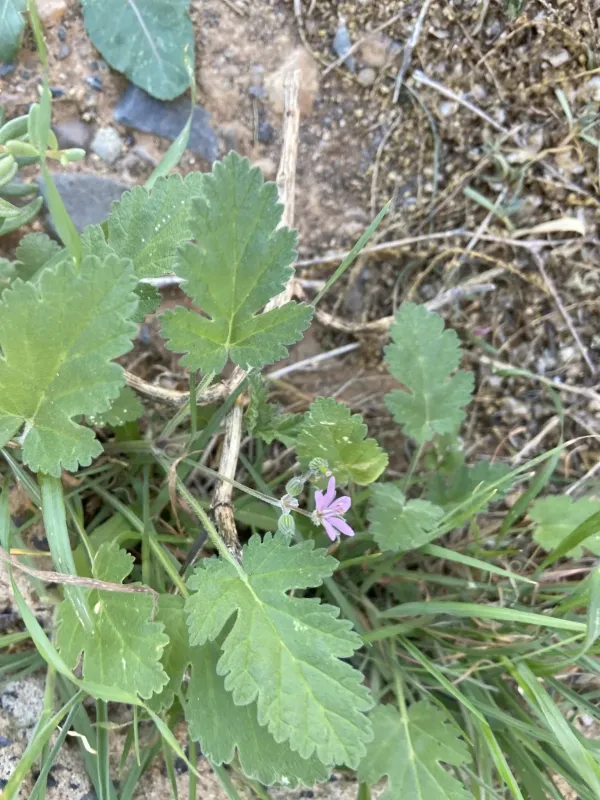
Description
Growing requirements
The Neurad-leaved stork's bill (Erodium neuradifolium) is a herbaceous annual plant belonging to the Geraniaceae family. It is specifically adapted to arid and semi-arid environments, showing high resilience to environmental fluctuations.
This species is well-known for its drought tolerance and its ability to thrive in poor, sandy, or rocky soil types. It is considered a promising candidate for restorative agriculture in degraded lands due to its hardy nature.
It prefers well-drained soil conditions and thrives in full sun exposure. The plant structure is adapted to maximize water uptake through a deep taproot, which allows it to survive long periods without precipitation.
Climatic requirements for the plant align with Mediterranean patterns, characterized by mild, moist winters and hot, dry summers. Excess humidity in the root zone is the main factor limiting its growth and development.
Agronomic practices focus on maintaining soil structure and avoiding compaction. Since it is highly adaptive, minimal mechanical intervention is required to establish a sustainable stand in suitable agro-climatic zones.
Main diseases and pests
Fungal diseases related to high humidity represent the most significant threat to plant health. Root rot is particularly prevalent in soils with poor drainage, necessitating careful site selection for cultivation.
Insect pests such as aphids and specialized coleoptera can damage seedlings and reproductive organs. Integrated pest management strategies are advised to keep populations below economic injury levels.
Weed management is critical during the seedling stage. As the plant develops, it becomes more competitive, but early control of invasive species is essential to ensure a successful crop establishment.
Maintaining proper spacing between rows is an effective technique to prevent the spread of pathogens. Good airflow within the crop canopy significantly reduces the risk of fungal proliferation.
Proactive monitoring of the crop, especially after rain events, allows for early detection of potential threats. Utilizing certified seed lots reduces the risk of introducing seed-borne diseases into the field.