
Erodium manescavii
Erodium manescavii
Description
Growing requirements
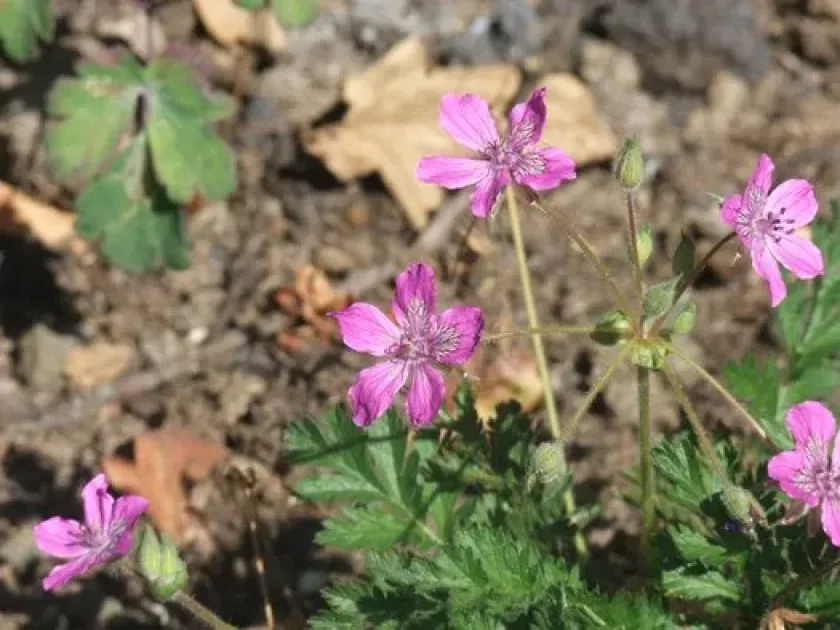
Erodium manescavii, commonly known as Manescavi storksbill, belongs to the Geraniaceae family and originates from the Pyrenees mountain range. It is a robust perennial herb known for its long, pinnate leaves and vibrant, deep pink to magenta flowers.
The crop thrives in well-drained, gritty, or sandy soils. It is critical to ensure that the site has excellent drainage, as the plant is highly susceptible to root rot if water remains stagnant around the base during dormant periods.
Ideal conditions for cultivation involve a sunny, open location. While it can adapt to partial shade, full exposure to sunlight is essential for achieving the most prolific and continuous flowering cycle throughout the summer months.
Agronomic management requires minimal maintenance, primarily focusing on weeding and preventing soil compaction. Light hoeing around the plant is recommended to ensure proper aeration for the root system, especially after heavy rains.
Propagation is typically done through seeds or crown division. Seeds usually require a period of cold stratification to break dormancy, which significantly improves the germination rates and ensures healthier seedling development.
Main diseases and pests
The most significant threat to Erodium manescavii is fungal infection triggered by high humidity or poor drainage. Root rot and collar rot are particularly prevalent in compacted soils or during excessively wet winters.
Insect pests such as aphids and spider mites frequently colonize the foliage during warm, dry weather. Regular monitoring of the underside of leaves is necessary to catch infestations early and manage them with targeted horticultural soaps or oils.
Slugs and snails are common pests that cause cosmetic and physiological damage to the tender foliage, particularly in early spring. Installing barriers or using sustainable baiting methods can effectively protect the plants.
Powdery mildew may develop if the planting site lacks adequate air circulation. Pruning surrounding vegetation and ensuring proper spacing between individual specimens help to maintain a dry, healthy microclimate for the plants.
Nutrient deficiency can lead to chlorosis and stunted growth. Providing a balanced, slow-release fertilizer during the early stages of the growing season helps the plant maintain its natural vitality and disease resistance.