
Cutleaf stork's bill
Erodium laciniatum
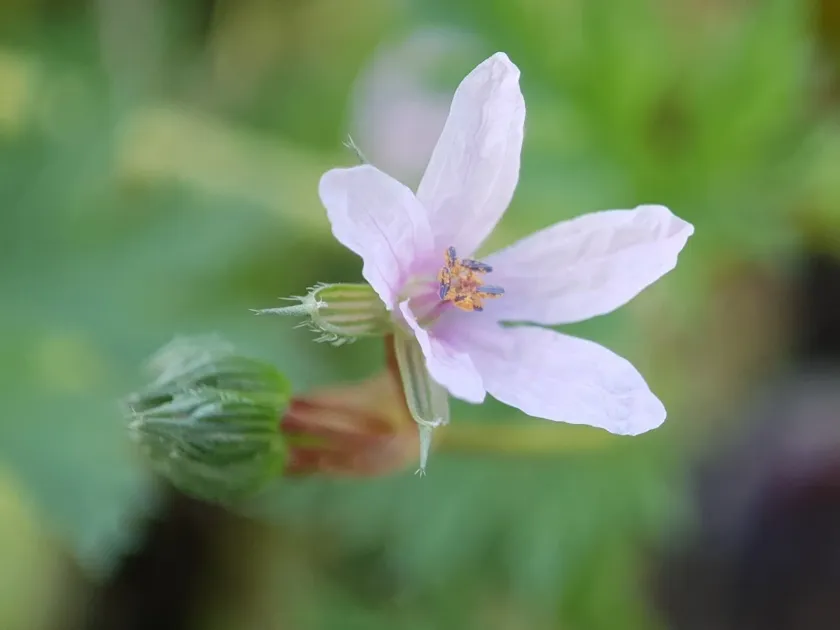
Description
Growing requirements
Cutleaf stork's bill (Erodium laciniatum) is a herbaceous plant belonging to the Geraniaceae family. Its native range spans the Mediterranean basin and arid parts of Central Asia, where it thrives in sun-drenched environments.
The plant is characterized by its deeply lobed, laciniate leaves and long, slender seed pods that twist to bury seeds in the soil. It grows as a prostrate rosette, covering the ground effectively to prevent soil erosion in degraded areas.
It prefers well-drained, sandy or loamy soils and is known for its remarkable salt tolerance. This makes it a valuable species for ecological restoration in arid or saline landscapes where other forage crops struggle to survive.
The crop is highly drought-resistant, requiring minimal irrigation once established. It flourishes under high solar radiation, making it an ideal choice for hot, dry summer seasons in subtropical climates.
In agricultural practice, it is primarily used as high-quality forage for sheep and goats. It provides essential early-season nutrients when more productive grasses may still be dormant or unavailable due to dry conditions.
Main diseases and pests
Powdery mildew represents the most common fungal threat to this species. It typically occurs in damp, humid microclimates where air circulation is poor, potentially leading to leaf discoloration and plant decline.
Aphid infestations are a significant concern during the flowering stage. These insects cluster around developing buds, diverting nutrients and potentially transmitting viral diseases that stunt growth.
Spider mites are prevalent in extremely dry, hot conditions. They thrive on the underside of leaves, causing structural damage to plant tissue and significantly reducing the palatability of the forage for livestock.
Root rot caused by stagnant water or compacted soil can be lethal. Proper site selection and soil management are essential to prevent the accumulation of moisture around the root crown, which is vital for plant health.
Invasive weed competition during the germination phase can severely hinder the success of the stand. Young stork's bill plants grow slowly, so field preparation must prioritize weed removal to ensure establishment.