
Hybrid storksbill
Erodium hybrids
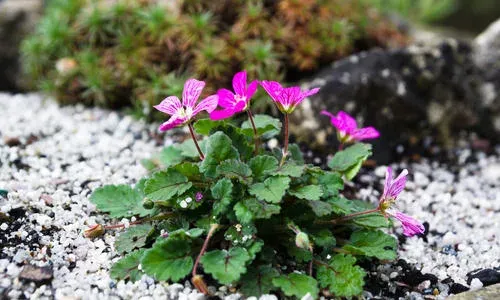
Description
Sowing dates
Sowing seeds of the hybrid storksbill into open ground is mainly carried out in the spring, when the soil warms up to a temperature of 12–15 degrees Celsius. For early seedling production, sowing is performed in greenhouses in late February or early March, using a light nutrient substrate mixed with sand to improve aeration.
The seeds of this crop have good germination rates, but they require stratification if sown directly in the autumn. For winter sowing, it is essential to protect the plantings from waterlogging and sharp temperature fluctuations, which promotes uniform germination in the spring.
The sowing depth should not exceed 0.5–1 centimeter, as the small seeds require sufficient light access to stimulate germination. After sowing, the soil must be lightly compacted and moistened using a fine spray to avoid washing away the top layer.
Once the first sprouts appear, thinning is performed, leaving a distance of at least 20–30 centimeters between the plants. This is necessary to ensure normal air circulation and proper development of the root system for each specimen, which prevents the development of fungal diseases in dense plantings.
Transplanting seedlings to their permanent location is carried out once the young plants have developed three to four true leaves. The optimal time is the second half of May, when the risk of night frosts that could damage the tender young shoots has passed.
Growing requirements
The hybrid storksbill is a light-loving plant, so open areas with good exposure to sunlight are preferred for successful cultivation. In the shade, the plant loses its ornamental value, the stems stretch out, and the intensity of flowering is significantly reduced.
The crop has moderate soil requirements, but it grows best in light, well-drained loams or sandy soils with a neutral to slightly alkaline pH. Waterlogging in the root zone is fatal for the plant, so drainage is mandatory when planting on heavy clay soils.
The storksbill is highly drought-tolerant, due to its botanical origins in temperate regions. With regular natural rainfall, additional watering is almost unnecessary, except during periods of extreme summer heat.
To support active growth and abundant flowering, the application of complex mineral fertilizers at the beginning of the growing season is recommended. An excess of nitrogen fertilizers encourages vegetative growth at the expense of flowering, so potassium-phosphorus formulations should be preferred.
The plant tolerates winter temperature drops well within its native range; however, in snowless winters with severe frosts, light covering with spruce branches or mulching the root zone with peat may be necessary to protect the renewal buds.
Main diseases and pests
The main threat to the hybrid storksbill comes from fungal infections, such as root rot and powdery mildew, which develop when water balance is disrupted or aeration is poor. To combat pathogens, systemic fungicides should be applied according to the treatment regulations.
Common pests found on this crop include aphids and spider mites, which feed on the sap of young leaves and flower buds. Regular inspections and timely application of insecticides allow for the control of pest populations at early stages of infestation.
To minimize the risk of infection, it is necessary to follow crop rotation rules and avoid excessive watering during rainy periods. Removing weeds near the plantings is also critical, as many of them act as intermediate hosts for dangerous plant pathogens.
Slugs and snails can cause mechanical damage to leaf blades, especially in humid conditions. As a preventive measure, mulching the soil with gravel or using specialized barriers around flowerbeds and borders is highly recommended.
A key aspect of plant protection is maintaining high plant immunity through proper agricultural practices. Strong, healthy specimens are significantly less susceptible to pests compared to plants suffering from nutrient deficiencies or those growing under stressful conditions.