
Hoefft's Storksbill
Erodium hoefftianum
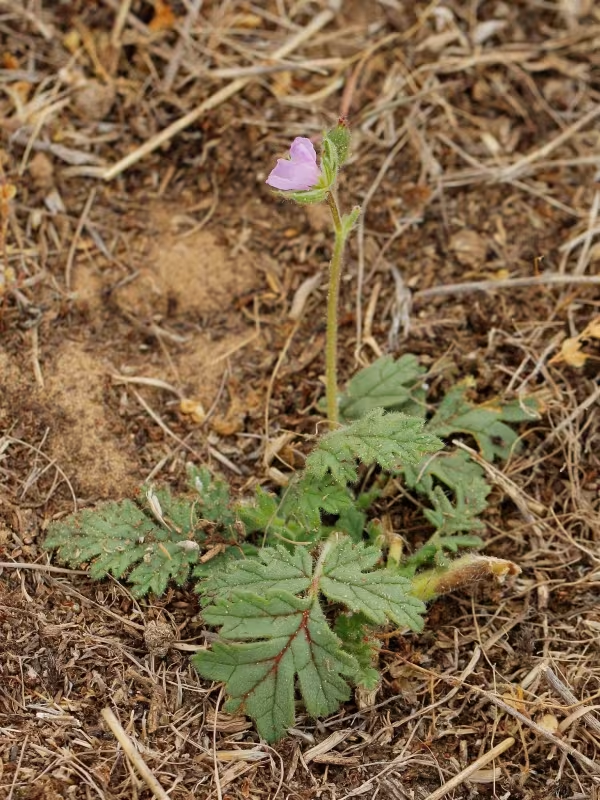
Description
Growing requirements
Hoefft's Storksbill (Erodium hoefftianum) is a member of the Geraniaceae family, characterized by its drought tolerance and adaptability to arid environments. It is an annual plant that typically thrives in steppe climates.
Botanically, it features a taproot system and a branched habit, with small, distinct flowers that attract pollinators. The plant's ability to survive in harsh conditions makes it a significant subject for ecological and agricultural studies.
Climatic requirements focus on heat and light. The plant requires full sun exposure to maintain its physiological functions and to ensure the proper development of its seeds and vegetative parts throughout the season.
Regarding soil, it performs best in well-drained, sandy or loamy soils. It does not tolerate waterlogging, which can cause rapid decay of the root system and inhibit the uptake of necessary nutrients for growth.
Agricultural management is relatively low-input, focusing primarily on site selection and initial weed control. Once established, the plant shows strong resilience to fluctuations in rainfall, making it suitable for low-irrigation farming systems.
Main diseases and pests
Pest pressures primarily include sap-sucking insects like aphids. These pests can colonize the plant during the vegetative phase, causing leaf curling and potential stunted growth if left unmanaged for long periods.
Fungal pathogens such as powdery mildew represent a significant threat during periods of high humidity. Poor air circulation among the plants exacerbates this issue, leading to rapid spread across the field.
Root-related diseases are frequently caused by over-irrigation. Ensuring a soil structure that facilitates quick water drainage is the primary defense strategy against these harmful pathogens and soil-borne fungi.
Integrated pest management (IPM) practices are highly recommended. This includes the use of beneficial insects and resistant varieties if available, alongside regular monitoring to keep populations below economic injury levels.
Sanitation practices, such as clearing crop residues after the season, are essential to break the life cycle of overwintering pests and pathogens. This proactive approach significantly reduces the need for heavy chemical applications.