
Erodium gruinum
Erodium gruinum
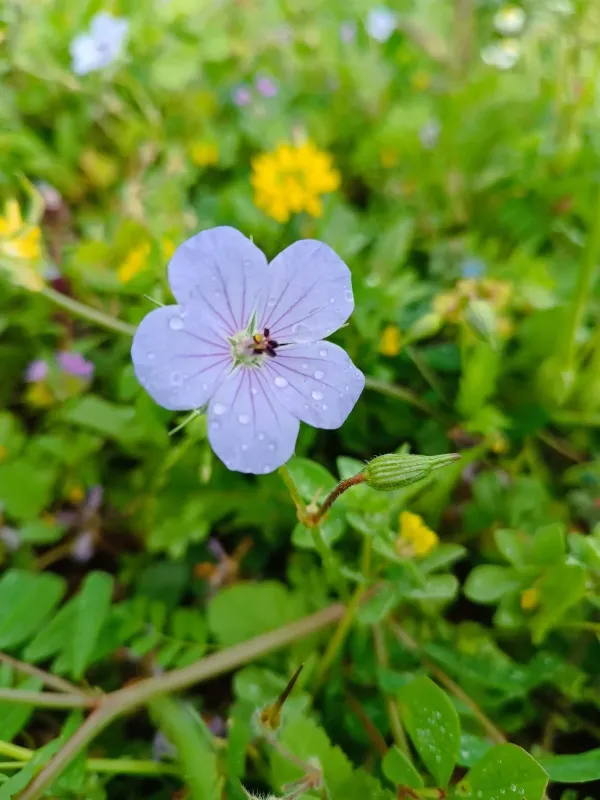
Description
Sowing dates
Erodium gruinum is a herbaceous plant belonging to the Geraniaceae family, characterized by its versatility and ease of adaptation to various agricultural environments. Sowing should commence in early spring as soon as the soil warms up to at least 5–8 degrees Celsius to ensure steady germination.
The seeds should be planted at a depth of 2–3 centimeters to facilitate optimal root development. Maintaining a row spacing of 30–45 centimeters is standard practice, allowing for efficient mechanical weeding and nutrient access during the initial growth stages.
Seeding rates depend on the final objective, whether it is biomass production or seed multiplication. Accurate calibration of sowing equipment is essential for uniform distribution, which prevents seedling overcrowding and promotes healthier overall crop development.
The time from emergence to the onset of flowering usually spans between 60 and 80 days. Early sowing allows the crop to utilize spring moisture effectively, which is vital for the development of a lush leaf rosette in the vegetative phase.
In regions with milder winters, late autumn sowing might be considered, though it carries risks of premature germination if temperatures fluctuate. Consistent monitoring of soil moisture levels immediately after sowing is crucial for success.
Growing requirements
Erodium gruinum thrives in well-lit areas, as shade negatively impacts its development and overall biomass yield. It prefers light, sandy, or well-drained loamy soils that possess a neutral to slightly alkaline chemical reaction.
This crop is highly valued for its drought tolerance, making it an excellent choice for regions with erratic rainfall. Its deep, taproot system allows it to reach moisture reserves in lower soil layers that are inaccessible to many other shallow-rooted species.
Proper aeration is essential for this crop, as stagnant water in the root zone can lead to severe physiological stress or root rot. Sites with heavy clay or poor natural drainage should be improved with organic matter before planting.
Mineral nutrition should focus on a balanced ratio of phosphorus and potassium to strengthen the plant's structural integrity. Nitrogen application should be moderate to avoid excessive vegetative growth that may sacrifice the overall quality of the yield.
The crop prefers temperate conditions with an optimal growth temperature between 20 and 25 degrees Celsius. While it can withstand periods of heat, excessive temperatures may induce temporary dormancy or slow the growth rate.
Yield
The biomass yield of Erodium gruinum is highly dependent on agricultural management, with averages ranging from 15 to 20 metric tons of dry matter per hectare under favorable conditions. Quality weed control is essential for maximizing these numbers.
When grown for pharmaceutical or seed purposes, the harvest strategy changes. Harvesting for medicine requires precision timing during the peak of flowering to ensure the maximum concentration of active botanical compounds in the leaves and petals.
Seed yield varies significantly based on pollination success and weather conditions during fruit formation. Harvesting should be carefully timed before the pods reach the point of natural dehiscence to minimize seed loss in the field.
Maximizing yield also involves regular inter-row cultivation, which manages soil surface crusting and eliminates nutrient-competing weeds. This practice keeps the crop vigorous and improves the overall efficiency of resource uptake.
The final quality of the product is as important as the quantity. Proper handling after harvesting ensures that the material meets standard market specifications for forage or medicinal use, providing better value to the producer.
Main diseases and pests
While relatively hardy, Erodium gruinum can be susceptible to powdery mildew, especially in fields with high humidity or poor air circulation. Implementing wide row spacing is a primary defense against these fungal pathogens.
Root rot is a major threat in soils with poor drainage. Producers should prioritize selecting sites with natural slopes or installing tile drainage if heavy rainfall is common during the growing season to prevent waterlogged conditions.
Pests such as aphids and certain hemipterans can damage the foliage by feeding on cell sap, leading to stunted growth. Early detection through regular field scouting is vital for implementing effective and timely control measures.
Soil-dwelling larvae can pose a risk to young plants. Seed treatments are recommended to provide a protective barrier during the critical seedling stage, ensuring a uniform stand density across the entire field.
Integrated Pest Management (IPM) strategies, which prioritize cultural and biological controls, are the most effective way to manage threats. Chemicals should only be used as a last resort and in accordance with local regulations.
Harvesting
Harvesting for green forage is typically conducted at the beginning of the flowering phase. At this time, the plant contains the highest concentration of digestible proteins and nutrients, ensuring optimal livestock health and performance.
For hay production, the crop should be mowed and allowed to cure in windrows. Turning the windrows occasionally is necessary to ensure uniform drying and prevent the development of mold or the loss of vital green pigments.
Seed harvesting should occur when the seed pods have reached full maturity and turned a characteristic light brown. It is best to perform this operation early in the morning when dew keeps the pods from shattering prematurely.
Post-harvest processing involves cleaning the seeds using screens or air separators to remove debris. Drying the seeds to a moisture level below 14 percent is required for long-term storage and maintaining viability.
Agricultural residues left after the harvest serve as a beneficial source of organic matter. Incorporating these materials back into the soil improves the humic content and enhances the physical characteristics of the topsoil for future seasons.