
Erodium daucoides
Erodium daucoides
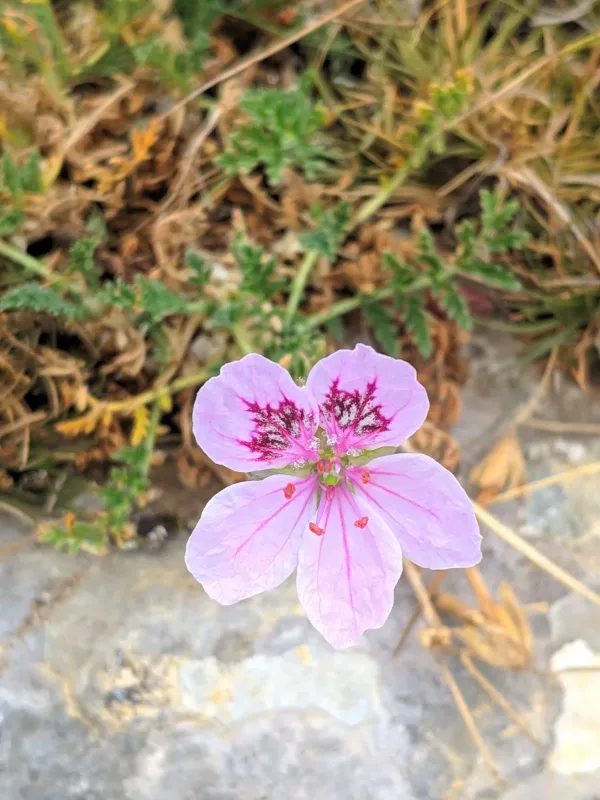
Description
Growing requirements
Erodium daucoides is a resilient perennial herb belonging to the Geraniaceae family. Native to the Mediterranean region, this plant is well-adapted to harsh, xeric environments and thrives in nutrient-poor conditions.
Soil requirements for this crop are specific: it mandates well-draining, calcareous, or stony substrates. Poor drainage is the primary cause of failure, as the root system is highly susceptible to hypoxia and fungal rot.
The plant requires full sun exposure to flourish and maintain its metabolic activity. It is exceptionally drought-resistant, allowing it to survive in arid climates where other conventional crops would fail.
Agronomic management focuses on preventing waterlogging and maintaining soil structure. Minimal fertilizer application is recommended, as high fertility often leads to excessive leaf development rather than the desired reproductive growth.
Plant density should be carefully managed to ensure adequate airflow between individual plants, which reduces the microclimate humidity and helps prevent disease outbreaks in the field.
Main diseases and pests
The most significant threat to Erodium daucoides is fungal infection, specifically root rot, which occurs during prolonged rainy periods or in poorly drained heavy soils.
Pests such as aphids and spider mites can become problematic during hot, dry spells. Regular monitoring of the foliage is essential to detect early infestations before they spread.
Integrated Pest Management (IPM) strategies are highly effective, prioritizing mechanical and biological control measures over chemical treatments to maintain crop quality.
Weed control is critical during the seedling stage. Since the plant has a slow initial growth rate, mechanical weeding or the use of mulching materials is recommended to avoid competition.
To prevent the accumulation of soil-borne pathogens, Erodium should not be planted in fields previously occupied by other Geraniaceae species for at least three seasons.