
Corsican stork's-bill
Erodium corsicum
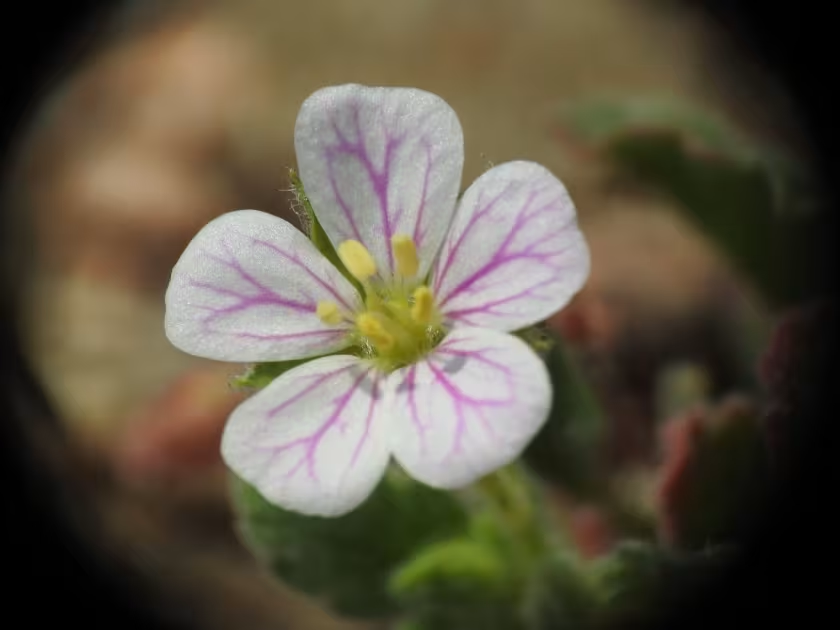
Description
Growing requirements
The Corsican stork's-bill is a low-growing perennial herbaceous plant belonging to the Geraniaceae family. Native to the rocky mountain slopes of Corsica and Sardinia, it has evolved to thrive in specialized, demanding environments that require good drainage and resilience.
To ensure successful growth, this crop requires well-drained, sandy, or gritty soil conditions with a neutral to slightly alkaline pH. It is highly sensitive to root rot, making effective drainage systems, such as gravel beds or slopes, essential for long-term health in cultivated landscapes.
The plant is highly heliophilic, meaning it demands full, direct sunlight throughout the day to maintain its compact, cushion-like habit. In areas with extremely high summer temperatures, slight afternoon shade may be tolerated, but excessive shade will lead to sparse, elongated growth.
It is remarkably drought-tolerant, adapting well to Mediterranean-style climates with irregular rainfall. While it can survive long periods of dry weather, providing moderate irrigation during the active growing season will significantly improve the density of its foliage and the abundance of its flowers.
In terms of agricultural and horticultural use, Erodium corsicum is highly valued as a groundcover for rock gardens, alpine troughs, and crevices. Its small, delicate pink flowers create a stunning visual impact, while its dense growth habit helps prevent soil erosion on slopes.
Main diseases and pests
The primary threat to the Corsican stork's-bill is waterlogging, which inevitably leads to crown and root decay. Maintaining the integrity of the soil structure and ensuring rapid water runoff are the most effective preventative measures against these physiological problems.
High humidity combined with poor airflow can encourage the development of powdery mildew, which manifests as a white, dusty layer on the leaves. Cultural practices like spacing plants to promote airflow and removing affected foliage help control the spread of the fungus.
Aphids are the most common insect pests that target the plant, particularly clustering on soft new growth and flower buds. Infestations can be managed through the application of insecticidal soaps or the introduction of beneficial predatory insects that naturally control aphid populations.
Nematodes can occasionally pose a risk if the soil has not been properly managed or if the plant's health is compromised by poor site selection. Using sterile, high-quality soil media and avoiding the over-application of synthetic nitrogen fertilizers is vital for long-term protection.
Always inspect plants during the dormant season to ensure no debris has accumulated at the base, as this can harbor pests or trap excess moisture. Proper sanitation during the growing cycle is key to avoiding chemical interventions and maintaining a healthy plant stand.