
Longbeak stork's bill
Erodium botrys
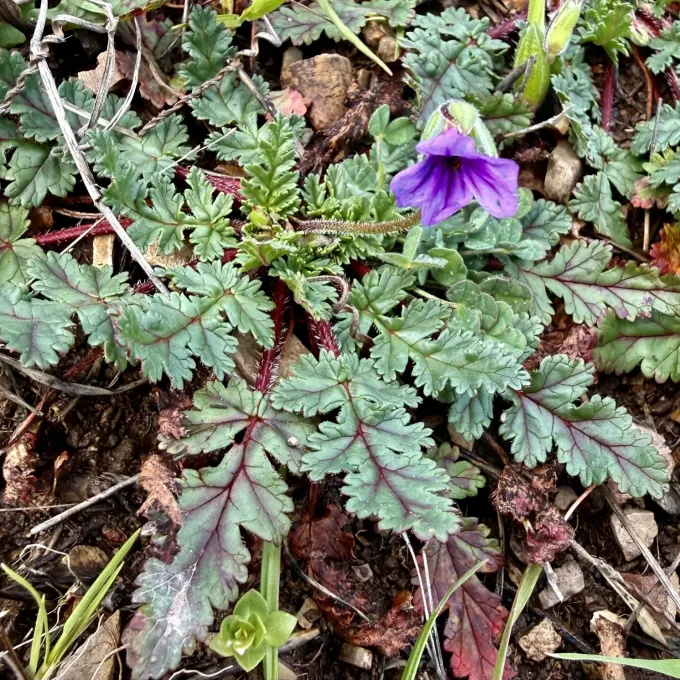
Description
Sowing dates
The optimal sowing time for Erodium botrys is during the early autumn period. The seeds need moisture to break dormancy, so synchronization with the first seasonal rains is vital for uniform emergence and vigorous early development.
Sowing depth should be kept shallow, ideally between 0.5 and 1.5 centimeters. Deeper sowing might prevent the small seedlings from reaching the surface before their energy reserves are depleted, leading to a significant reduction in stand density.
The seeding rate must be calculated based on the desired plant density and the local soil fertility. Higher rates are generally employed when the goal is to quickly establish a dense forage cover to prevent erosion and suppress the growth of undesirable weeds.
Mechanical seeding using drills is preferred for large-scale applications. It allows for the precise distribution of seeds, which is necessary to achieve the uniformity required for efficient pasture management and biomass production.
Post-sowing management includes surface compaction, which enhances the capillary contact between the seeds and the soil particles. This practice is particularly beneficial in sandy loam soils where moisture retention can be inconsistent.
Growing requirements
The longbeak stork's bill (Erodium botrys) belongs to the Geraniaceae family. In agricultural practice, it is often identified as a significant forage component or, in some cases, a persistent weed that competes with cereal crops for soil nutrients and space.
This species is native to the Mediterranean region and thrives in climates characterized by mild, wet winters and warm, dry summers. It shows high performance on various soil types, preferring those with good drainage that prevent waterlogging during the germination stage.
Botanically, it is a winter annual with a prominent rosette of leaves. The plant is well-known for its unique seed dispersal mechanism, where the spirally coiled awns of the fruit drill themselves into the soil, ensuring deep burial and successful germination in harsh conditions.
Climate requirements for the longbeak stork's bill focus on temperature stability during the initial growth phase. It requires a specific threshold of soil moisture to initiate germination, making the autumn rainfall pattern critical for the establishment of the crop.
In terms of agricultural management, the plant requires open spaces to avoid shading by taller competitors. Proper soil preparation, including light cultivation, is essential for maintaining the stand density and ensuring that the crop contributes effectively to pasture quality.
Yield
The yield of the longbeak stork's bill is primarily measured in terms of dry matter production per hectare. Under favorable growing conditions, the plant can produce substantial biomass, making it a valuable source of early-season forage for grazing livestock.
Nutritional value is highest during the vegetative stage, before the plant shifts its energy towards flower and seed production. Timely grazing management is key to maximizing the output and ensuring that the forage remains palatable and nutrient-dense.
Environmental factors, especially the duration of the growing season, heavily influence final biomass levels. In regions with extended winter rainfall, the yield can be significantly higher due to the prolonged period of active vegetative growth and leaf expansion.
Seed production is a critical component of the plant's strategy. In areas where the goal is natural reseeding, allowing a portion of the crop to reach maturity is necessary to guarantee sufficient seed banks for the following season's yield.
Optimal utilization of the biomass requires a strategic approach. Rotational grazing is recommended to avoid over-utilization and to allow the plants to recover sufficiently before the next grazing cycle begins, thereby sustaining productivity.
Main diseases and pests
The primary threats to Erodium botrys include various fungal pathogens that thrive in humid environments. These can lead to root rot or foliage blight, particularly when the stand is too dense, restricting airflow and increasing moisture retention near the soil surface.
Insect pests, such as aphids and certain types of beetles, can cause damage by feeding on the leaves and stems. This damage often reduces the photosynthetic capacity of the plants, ultimately impacting the overall biomass yield and plant vigor.
Competition from fast-growing grasses and other broadleaf weeds can suppress the growth of the longbeak stork's bill. Without adequate control measures, the plant might lose its dominance in the pasture, leading to a shift in botanical composition.
Environmental stress, such as extreme late-season heat or sudden droughts, poses a significant threat to the seed maturation process. These conditions can result in lower seed viability, which negatively affects the regenerative capacity of the population for the next cycle.
Preventive measures include monitoring the crop density and controlling invasive species in the vicinity. Keeping the field free from excessive competition and managing grazing pressure are the most effective ways to mitigate these threats.