
Ericameria teretifolia
Ericameria teretifolia
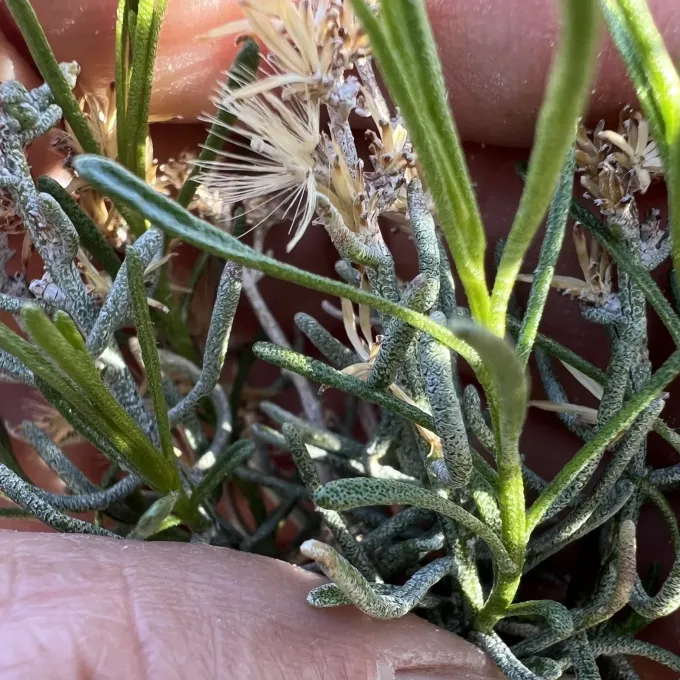
Description
Growing requirements
Ericameria teretifolia is a hardy perennial shrub belonging to the Asteraceae family. Native to the high-desert regions of North America, this plant is well-adapted to extreme environmental stress and low-resource environments.
The culture thrives in rocky or sandy, well-draining soils. It is highly intolerant of waterlogged conditions, which frequently lead to root decay, making soil drainage the most critical factor for successful cultivation.
As a xerophytic plant, it has evolved to maximize water efficiency. It requires minimal fertilization and performs best in soils with low organic matter content, mimicking the nutrient-sparse soils of its native habitat.
Full sun exposure is mandatory for healthy development. Shaded conditions will lead to leggy growth, reduced vigor, and a higher susceptibility to physiological stress, ultimately weakening the shrub.
Climate requirements include warm, arid conditions with high daytime temperatures and cool nights. The plant is notably resilient to temperature fluctuations, which helps it maintain its structural integrity throughout the seasons.
Main diseases and pests
The primary threats to Ericameria teretifolia are fungal pathogens resulting from poor drainage or excessive humidity. Root rot is a common occurrence in poorly managed irrigation systems.
Insect pests such as aphids and spider mites can infest the foliage during warm, dry periods. These pests drain plant sap and can cause significant damage to young growth if left unchecked by the grower.
Nematodes may also impact root health, particularly in sandy soils where these organisms thrive. Implementing rigorous soil testing and utilizing clean planting stock is essential for maintaining crop health.
Pest management should focus on biological control or targeted applications of insecticidal soaps. Preventive measures such as adequate spacing between plants ensure better airflow, reducing the risk of pest colonization.
Maintaining the overall health of the shrub is the best defense against threats. A well-placed plant in its preferred environment will naturally resist most pathogens and pests through its innate physiological defenses.