
Ericameria parryi
Ericameria parryi
Description
Growing requirements
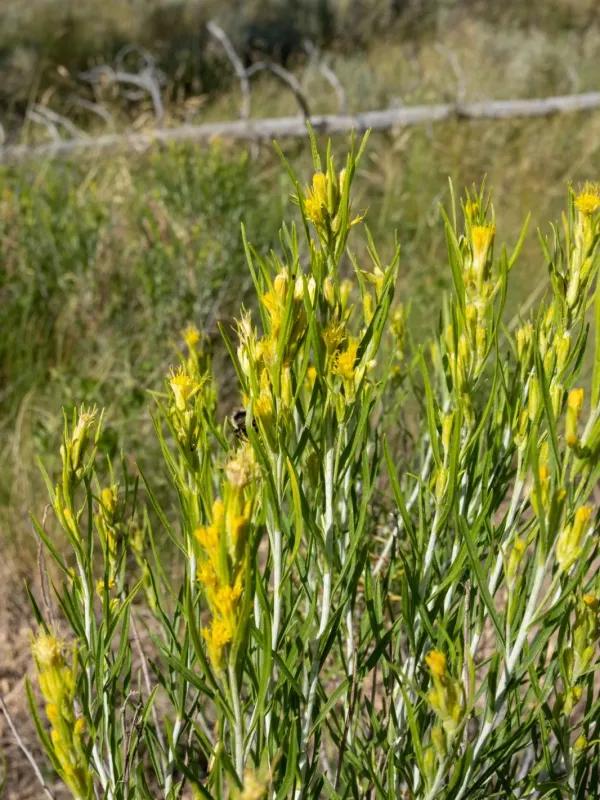
Ericameria parryi, commonly known as Parry's rabbitbrush, is a perennial subshrub belonging to the Asteraceae family. It is native to the western regions of North America, where it thrives in rugged, arid, and semi-arid landscapes.
The plant is biologically characterized by its narrow, often resinous leaves and small yellow flower heads. These traits allow the plant to minimize water loss and successfully survive prolonged droughts in high-altitude environments.
Regarding soil requirements, this crop favors well-drained, sandy, or rocky substrates. It is known to inhabit soils with varying pH levels but strictly avoids waterlogged environments where its roots become susceptible to decay.
Climate adaptation involves a high tolerance for extreme temperatures, both hot and cold. Successful cultivation depends on selecting sites that mimic the plant's native ecological niche, ensuring adequate solar exposure throughout the day.
Economically, Ericameria parryi has gained attention as a potential industrial feedstock. The plant's ability to produce natural rubber and resins in its tissues makes it a subject of interest for sustainable bio-product development.
Main diseases and pests
The primary threats to Ericameria parryi plantations are fungal pathogens that thrive in high humidity or stagnant air conditions. Preventing root rot is the most critical management task for agronomists.
Various insect species, including aphids and specialized beetles, may infest the foliage. While the plant possesses natural chemical defenses, severe infestations still require targeted intervention to prevent plant stress.
Weed management is essential during the early developmental stages of the crop. Since growth rate is relatively slow in the first year, weeds can easily outcompete young shrubs for light and nutrients.
Wildlife impact is another factor, as the shoots and flowers can be browsed by herbivores. Establishing physical barriers or using deterrents is often necessary if the site is located near wild areas with high animal populations.
To ensure long-term health, growers should maintain adequate spacing between plants to allow for airflow. Proper sanitation and the removal of dead or infected branches are standard procedures in maintained crop fields.