
Ericameria ericoides
Ericameria ericoides
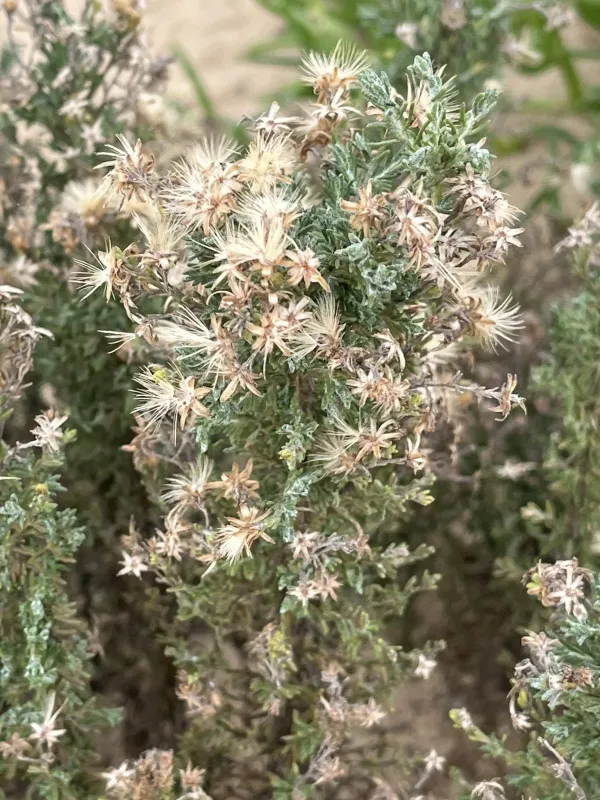
Description
Growing requirements
Ericameria ericoides, commonly known as Mock Heather, is a hardy evergreen shrub belonging to the Asteraceae family. Native to the coastal dunes and scrublands of California, it is perfectly adapted to nutrient-poor and sandy soil conditions.
This species is highly xerophytic, thriving in environments with intense sunlight and minimal water supply. It is an excellent candidate for xeriscaping projects where irrigation must be kept to a strict minimum after establishment.
The cultural requirements are centered on excellent drainage. Ericameria ericoides will not survive in heavy, waterlogged soils, as excessive moisture leads to rapid root system decline and plant mortality.
From an agronomic perspective, this plant is valued for its soil-binding capabilities. Its robust root structure makes it an effective tool for preventing erosion on steep coastal embankments and sandy terrain restoration efforts.
In terms of climate, it exhibits high tolerance for saline air and strong winds. It remains active throughout the year, maintaining its green foliage even in harsh, exposed coastal environments.
Main diseases and pests
Root rot caused by Phytophthora species is the most significant disease risk for Ericameria. This is almost exclusively associated with improper site selection and inadequate drainage in the root zone.
Insect pests such as aphids and leaf-eating beetles may occasionally inhabit the foliage. Integrated pest management strategies, focusing on biological control and environmental monitoring, are the preferred methods of treatment.
Preventative measures include ensuring sufficient space between individual plants to promote airflow. Stagnant air trapped between dense clusters of shrubs increases the risk of mold and fungal infections during humid seasons.
Mechanical damage from foot traffic or heavy machinery must be avoided to prevent compromising the structure of the root system. Proper site preparation before planting is essential to minimize future cultural issues.
Regular monitoring of the plant’s vigor is recommended. Should signs of yellowing or wilting occur, immediate inspection of soil moisture levels is necessary to prevent long-term damage to the plant structure.