
Palmer's goldenbush
Ericameria palmeri
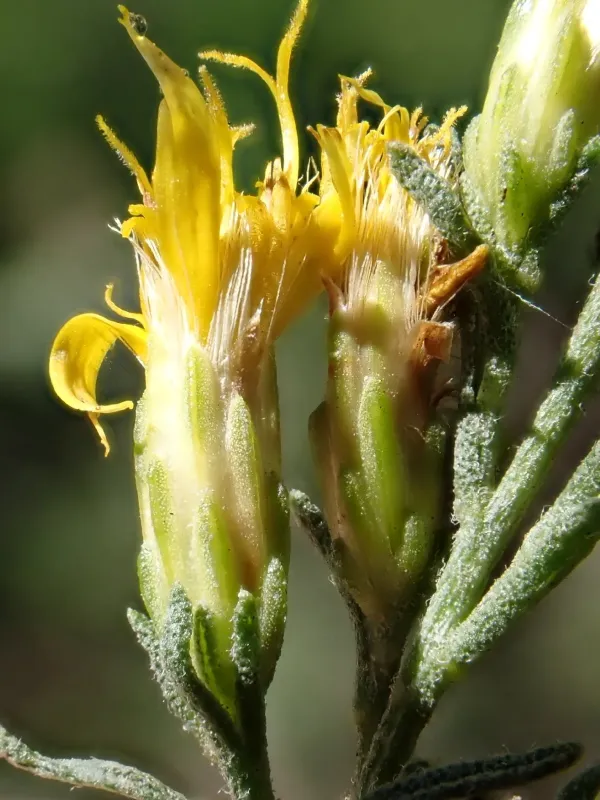
Description
Growing requirements
Palmer's goldenbush (Ericameria palmeri) is a resilient perennial shrub belonging to the Asteraceae family. It is a classic example of a xerophytic plant, perfectly evolved to survive in arid environments where water scarcity is the limiting factor for vegetation.
The native range of this species is concentrated in the dry regions of North America, particularly in Southern California and parts of Mexico. It thrives in rugged, rocky landscapes and desert environments, showcasing remarkable adaptability to environmental stress.
Cultivation requires full sun exposure and well-drained soil conditions. The plant performs best in sandy or gravelly substrates that prevent moisture accumulation around the root zone, which is critical for preventing common physiological problems.
Botanically, Ericameria palmeri is characterized by its dense branching habit and linear leaves coated in a waxy substance. This biological feature significantly reduces water loss through evaporation, allowing the plant to remain vibrant even during peak drought seasons.
In agricultural and landscape settings, the primary use of this plant is for erosion control and sustainable xeriscaping. Its deep root system helps stabilize shifting desert soils, making it an excellent candidate for ecological restoration projects in dry climates.
Main diseases and pests
The most significant threat to the health of Palmer's goldenbush is waterlogged soil. Excessive moisture triggers the development of root rot pathogens, which can be fatal to the plant. Therefore, maintaining a well-draining environment is essential for successful cultivation.
Pest issues are generally minimal due to the plant's natural chemical defenses. However, in poorly ventilated or excessively humid conditions, soft-bodied insects like aphids or mealybugs may infest new, succulent growth during the spring season.
Disease management focuses primarily on prevention. Regular sanitary pruning to remove dead or decaying branches is necessary to ensure adequate airflow within the shrub, which discourages the growth of fungal spores.
Competition from invasive weeds can hinder the establishment of young shrubs. During the first growing season, it is necessary to clear the area around the base of the plant to ensure it receives sufficient nutrients and light without being overshadowed.
Overall, the plant demonstrates high resistance to most agricultural pests and diseases. Providing an environment that mimics its natural desert habitat is usually sufficient to maintain a healthy and robust crop throughout its lifecycle.