
Ericameria parishii
Ericameria parishii
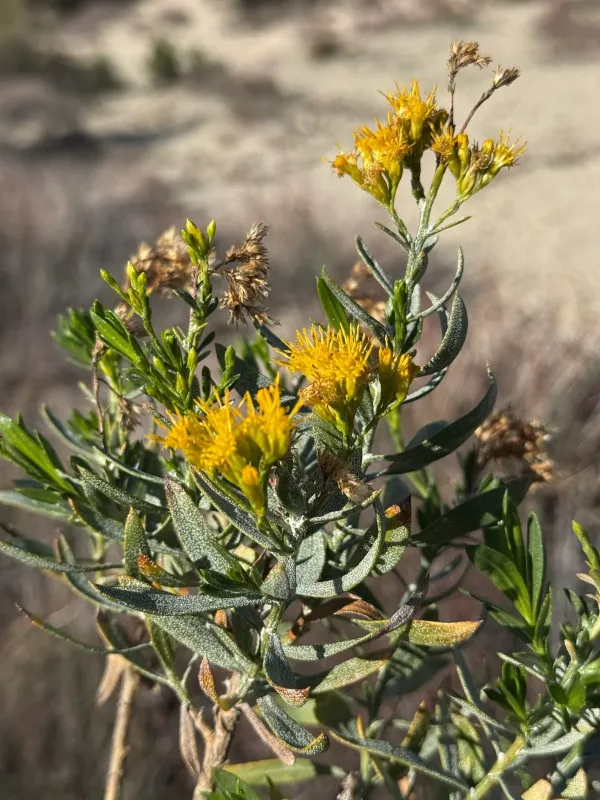
Description
Growing requirements
Ericameria parishii, commonly known as Parish's goldenbush, is a perennial shrub belonging to the Asteraceae family. Native to the arid regions of southwestern North America, it is highly valued for its natural adaptation to harsh, dry climates.
The plant demonstrates exceptional resilience to drought, making it an excellent candidate for xeriscaping projects. It thrives in environments where water resources are limited and natural rainfall is sparse, reducing the need for intensive irrigation.
Regarding soil conditions, Ericameria parishii requires well-drained substrates. Sandy, rocky, or gravelly soils are ideal to prevent moisture accumulation around the root system, which is critical to avoiding root rot.
Exposure to full sunlight is essential for the healthy development of this species. In shaded areas, the plant may lose its vigor and compact shape, becoming susceptible to fungal issues caused by stagnant air and trapped moisture.
Agricultural and landscape use includes erosion control on slopes and the creation of sustainable garden borders. Its aesthetic appeal during the flowering period, combined with its low-maintenance requirements, makes it a staple in dry-climate horticulture.
Main diseases and pests
The primary threat to the health of Ericameria parishii is improper moisture management. Overwatering and heavy, compacted soils create an anaerobic environment, which is the leading cause of root and crown rot in this species.
In terms of insect pests, aphids and spider mites can occasionally cause damage, particularly during periods of extreme heat or environmental stress. Monitoring the undersides of leaves is recommended for early detection.
Fungal pathogens such as powdery mildew may develop if the plant is grown in areas with poor airflow or high relative humidity. Ensuring adequate spacing between individual plants is a key cultural practice for disease prevention.
Rodent activity in the soil can potentially damage the root structure, especially in young plants. Where necessary, protective measures or biological deterrents should be utilized to maintain the integrity of the root zone.
Effective management involves an integrated approach, focusing on maintaining the right soil moisture levels and ensuring proper site selection to minimize the need for chemical interventions or heavy fertilization.