
Enneapogon scaber
Enneapogon scaber
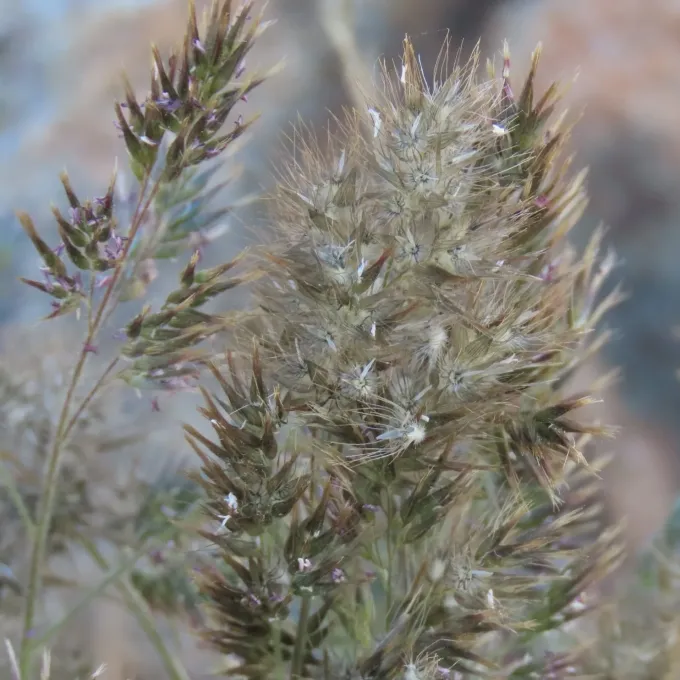
Description
Sowing dates
The sowing of Enneapogon scaber should be scheduled for the onset of the warm season when soil temperatures are consistently above 15 degrees Celsius.
For optimal establishment, it is recommended to sow at the beginning of the rainy season to provide sufficient moisture for seed germination.
The seeds must be sown at a shallow depth, as they require adequate light exposure for successful sprouting and early growth.
Implementing a precise seeding rate helps prevent overcrowding, allowing each plant to develop a robust root system capable of deep water extraction.
In degraded rangelands, broadcasting seeds followed by light soil disturbance is an effective method for introducing this species into the landscape.
Growing requirements
Enneapogon scaber belongs to the Poaceae family and is recognized as a hardy, drought-tolerant species adapted to arid and semi-arid environments.
This crop thrives in well-drained, sandy, or light-textured soils where its deep root system can effectively access available subsurface moisture.
It displays remarkable resilience to high solar radiation and extreme heat, which are characteristic of its native habitat and distribution range.
The plant features specialized botanical adaptations, including stiff, narrow leaves that minimize water loss through transpiration during periods of drought.
Minimal soil fertility is required for growth, making this species an excellent candidate for rehabilitating unproductive lands with poor nutritional profiles.
Yield
The primary agricultural use of this plant is as a source of forage, providing essential nutrients for livestock in regions where other grasses fail.
Forage production is consistent, and the species is particularly valued for its ability to maintain nutritional quality even when growth slows down.
Harvesting for hay should be timed before the onset of senescence to ensure the highest levels of crude protein and digestibility for grazing animals.
Yield stability is a key benefit, as Enneapogon scaber exhibits excellent recovery rates following intense grazing or periodic drought stress.
Farmers often manage this crop to serve as a reliable buffer, ensuring livestock feed security during seasonal shortages of green biomass.
Main diseases and pests
Enneapogon scaber is generally resistant to many common pathogens due to its tough, fibrous leaf structure, which deters many generalist feeders.
Excessive soil moisture is a critical threat that can lead to root rot and other fungal infections, necessitating proper site drainage.
While relatively pest-free, localized infestations of grasshoppers or other phytophagous insects can occur during peak dry seasons, requiring monitoring.
Good pasture management, including controlled grazing rotation, is essential to prevent soil compaction and promote the health of the grass stand.
Regular inspections and maintaining a diverse plant community are the best strategies to mitigate risks and ensure the longevity of the pasture.