
Enneapogon desvauxii
Enneapogon desvauxii
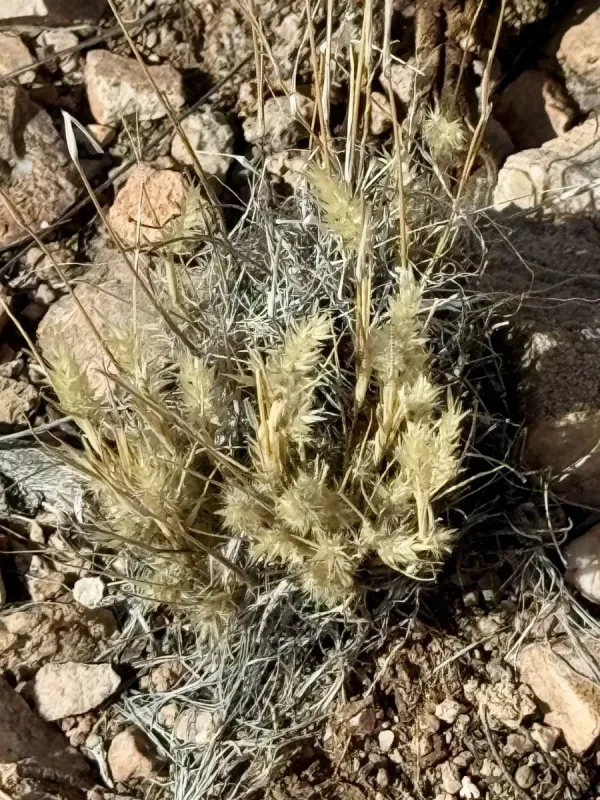
Description
Growing requirements
Enneapogon desvauxii, commonly known as nineawn grass, is a perennial grass belonging to the Poaceae family. It is recognized for its remarkable ability to thrive in harsh, arid, and semi-arid environments across several continents, including the Americas and Australia.
Botanically, it forms dense, tufted culms that typically grow between 15 to 40 cm tall. Its leaves are narrow and often rolled, which helps the plant reduce transpiration and maintain hydration during high-temperature periods.
The species is highly specialized for poor, sandy, or rocky soils where other vegetation struggles to establish. It plays a critical ecological role in anchoring soil and preventing wind erosion in desertified landscapes.
Climate requirements for this plant are centered on high light intensity and low humidity. It thrives in regions where temperature fluctuations between day and night are significant, often associated with scrublands and rocky outcrops.
Effective management requires ensuring adequate drainage. While the plant is drought-tolerant, it does not survive prolonged waterlogging, which compromises the root health and structural integrity of the plant.
Yield
In agricultural settings, Enneapogon desvauxii is primarily utilized as a forage resource for livestock grazing. It serves as an essential source of nutrition in regions where intensive agriculture is not economically feasible.
The nutritional value of the grass is most significant during the early stages of growth following seasonal rain events. When in active growth, it provides enough protein and minerals to maintain the health of sheep, goats, and cattle.
Yields are generally modest by volume, but the reliability of this grass makes it a cornerstone of pastoral survival in arid territories. It remains palatable even when partially dried, providing a reserve of dry forage.
The plant does not require chemical inputs like nitrogen fertilizers, making it a low-cost maintenance crop. Its productivity is entirely dependent on natural rainfall cycles and soil nutrient cycling within its native habitat.
Harvesting for fodder is generally avoided due to the prickly nature of the flowering spikes, which can irritate livestock. Rotational grazing remains the most efficient way to utilize the grass without damaging the underlying stand.
Main diseases and pests
Enneapogon desvauxii maintains a high natural resistance to most common cereal and grass pathogens. Its evolution in harsh environments has favored physiological defenses against fungal and bacterial infections.
Overgrazing poses the greatest threat to its longevity. When livestock remove the vegetation too close to the root crown, the plant loses its ability to store nutrients, making it susceptible to wind desiccation and soil heat.
While the plant is hardy, it can be impacted by root rot when grown in areas with poor drainage or during unseasonably wet years. Proper landscape management to ensure water runoff is essential for healthy stands.
Invasive weed encroachment can challenge the establishment of Enneapogon desvauxii. Once established, however, the grass is highly competitive and forms a stable community that limits the growth of surrounding weeds.
Monitoring for insect pests is generally unnecessary except during major outbreaks. The plant’s rapid recovery mechanism allows it to withstand occasional defoliation from locusts or other grass-feeding insects.