
Enneapogon polyphyllus
Enneapogon polyphyllus
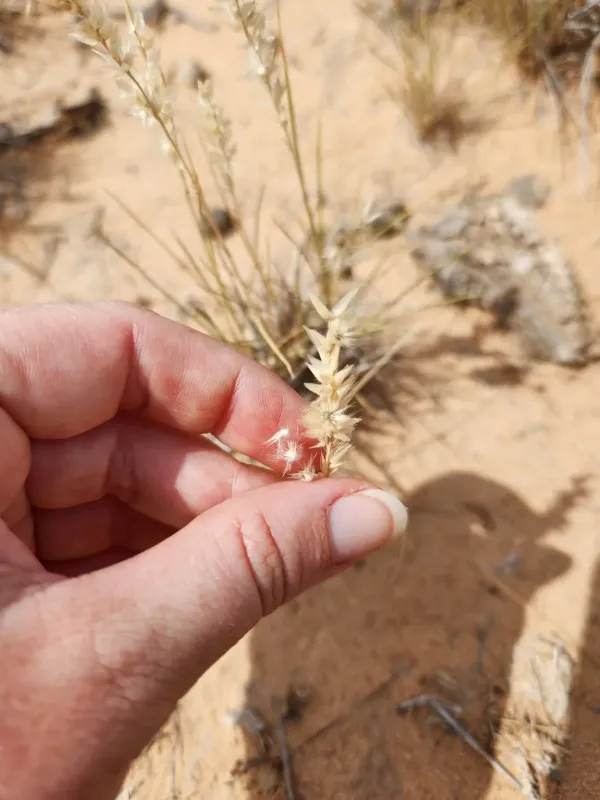
Description
Growing requirements
Enneapogon polyphyllus is a perennial grass species belonging to the Poaceae family. This species is highly adapted to arid and semi-arid environments, demonstrating remarkable physiological mechanisms for surviving in harsh, water-scarce conditions.
The plant is native to the arid regions of Australia, where it thrives in open plains and stony landscapes. Its evolutionary history has equipped it with the ability to remain dormant during extended droughts and resume growth rapidly after limited precipitation.
It prefers well-drained soils, often thriving in sandy or gravelly substrates that are low in nutrients. Its root system is exceptionally efficient at capturing moisture from the shallow soil layers, which is crucial for survival in its native desert habitat.
Botanically, this grass forms dense tussocks, which provide cover for soil and help in reducing surface evaporation. The slender, grey-green leaves are adapted to reduce transpiration, making it one of the more resilient grasses in the Australian pastoral landscape.
Economically, Enneapogon polyphyllus serves as a vital component of natural pastures. It is actively grazed by livestock, particularly sheep, providing essential forage in regions where more intensive agricultural crops simply cannot survive.
Main diseases and pests
The primary threat to the stability of Enneapogon populations is overgrazing by domestic and feral herbivores. When the plant is grazed too intensively, its ability to recover and produce seeds is significantly compromised, leading to long-term site degradation.
While generally hardy, the species can be susceptible to root rot if environmental conditions shift toward high humidity or prolonged waterlogging. Proper land management to ensure drainage is essential for the health of these grass communities.
Insects, particularly grasshopper outbreaks, can present a significant risk to biomass availability. During such events, the loss of foliage can impact the nutritional output of the pasture for the entire season.
Invasive weed species pose a major competitive threat, often outcompeting Enneapogon for limited water and soil resources. Managing the encroachment of these weeds is vital to maintaining the biodiversity and forage value of the land.
Effective pasture management for this species involves rotational grazing schedules. By allowing the plants sufficient time to reach the seed-set stage, land managers can ensure the continued health and spread of this resilient grass across arid grazing zones.