
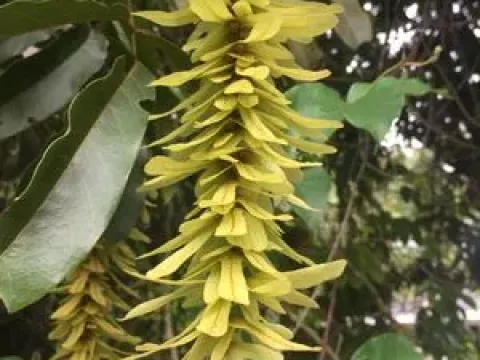
Engelhardia
Engelhardia
Propagation of Engelhardia is primarily achieved through seeds, as vegetative propagation such as cuttings remains challenging for this genus. Seeds should be collected immediately after reaching maturity, typically during the autumn season.
What the section contains


Engelhardia
Sowing should be done in a well-prepared substrate rich in organic matter. Maintaining consistent moisture is critical for germination, as the seeds are sensitive to drying out.
Cold stratification is often recommended to overcome dormancy and improve the germination rate. This process mimics natural winter conditions to prime the seeds for growth.
In forest nurseries, container-grown seedlings are preferred. This method protects the root system and facilitates a higher success rate when the young trees are transplanted to the field.
The optimal time for transplanting is early spring, allowing the tree to establish its root system before the onset of the summer heat and active growing season.
As a member of the Juglandaceae family, Engelhardia thrives in tropical and subtropical climates. It is highly sensitive to frost and requires a stable, warm environment to flourish.
The species prefers fertile, deep, and well-drained soils. Avoiding waterlogged areas is essential, as the roots are prone to rot in poorly drained or compacted soil conditions.
Engelhardia is a light-demanding tree. While young seedlings can tolerate partial shade, mature specimens require full sun to develop a healthy crown and maximize growth rates.
Water requirements remain steady throughout the growth cycle. In areas with prolonged dry seasons, supplemental irrigation systems are necessary to maintain optimal physiological activity.
Proper soil management, including the application of organic fertilizers and regular weeding, helps sustain the rapid growth and long-term health of the plantation.
The primary economic output of Engelhardia is its high-quality timber. The wood is valued for its durability, hardness, and attractive grain, making it ideal for fine carpentry and furniture.
Besides timber production, various parts of the tree are utilized in pharmaceutical and cosmetic industries. Certain species are known for containing bioactive compounds with medicinal potential.
The yield of biomass is dependent on site quality and management practices. Through intensive silvicultural methods, growers can achieve sustainable and profitable harvests over time.
Engelhardia serves an important role in agroforestry systems, acting as a windbreak and improving soil structure, which indirectly boosts the yield of adjacent agricultural crops.
The economic cycle of Engelhardia plantations is long-term, typically requiring several decades of cultivation to reach the maturity necessary for high-value timber extraction.
Young plants are particularly vulnerable to fungal root diseases triggered by excessive moisture and poor soil aeration. Strict drainage control is a vital preventive measure.
Leaf-eating insects can cause significant defoliation, which hampers the tree's photosynthetic capability. Monitoring for early signs of infestation is crucial to minimize damage.
Boring insects represent a serious threat to the trunk, as their activity can degrade the quality of the timber, making it unsuitable for premium industrial use.
- Regular phytosanitary assessments of the plantation.
- Sanitary pruning of dead or diseased branches to reduce pathogen load.
- Use of biological pest control methods to protect environmental balance.
Implementing a strict sanitation program, including the removal of damaged wood, effectively prevents the spread of diseases and pests throughout the stand.