
Bolivian walnut
Juglans boliviana
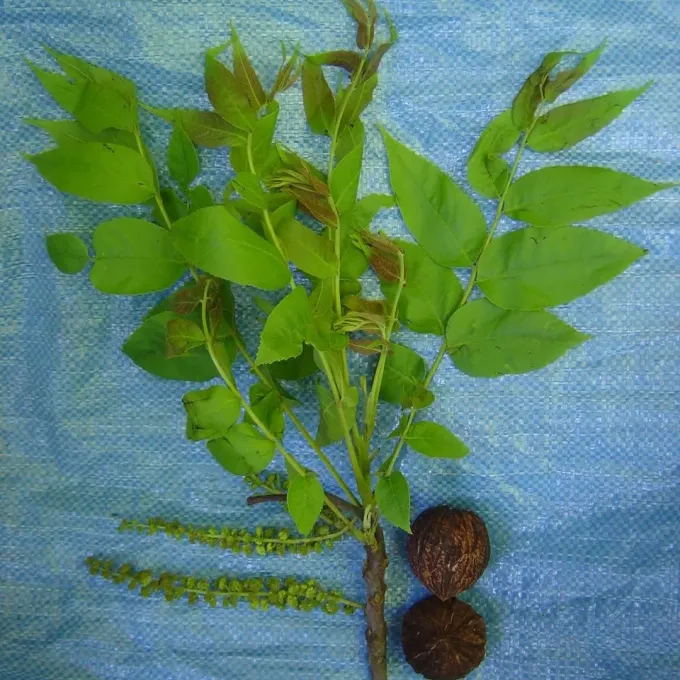
Description
Growing requirements
The Bolivian walnut (Juglans boliviana) is a deciduous tree belonging to the Juglandaceae family. It is recognized for its impressive height and a massive crown that provides excellent shade in its native habitat.
The species is native to the Andean mountains of Bolivia, Peru, and Ecuador. It thrives in mountain forest climates characterized by moderate temperatures and sufficient annual precipitation levels.
This crop requires deep, fertile, and well-drained soils to succeed. Proper soil structure is essential as the roots are highly sensitive to waterlogging, which can easily lead to root decay and decline.
Exposure to direct sunlight is crucial for the optimal growth of this species. While it is hardy in mountainous regions, young trees require protection from strong winds and late frosts during the early stages of establishment.
The economic value of this tree is dual-purpose: the production of nutritious nuts and the harvest of high-quality hardwood. Its timber is highly prized in furniture manufacturing due to its density and texture.
Yield
Like many members of the Juglans genus, the Bolivian walnut has a relatively long juvenile period. Commercial nut production typically begins around the age of eight to ten years as the tree matures.
Pollination is facilitated by wind currents. To ensure a consistent and high-quality harvest, establishing mixed-variety orchards is recommended to enhance cross-pollination efficiency among the trees.
Harvesting is usually conducted in the late autumn when the outer husk splits naturally. Collecting the nuts promptly after they fall is essential to ensure quality and prevent the kernels from absorbing excessive soil moisture.
The yield potential increases steadily as the tree expands its canopy. Providing balanced nutrients through soil fertilization helps in maintaining high productivity over the long lifecycle of the orchard.
Proper harvest management, including drying and storage in well-ventilated areas, is vital to preserve the nutritional content and shelf life of the harvested nuts.
Main diseases and pests
Fungal leaf diseases are the most common issues, particularly in regions with high humidity. These infections can cause premature defoliation and weaken the overall vitality of the walnut trees.
Specific nut-boring insects present a threat by targeting the developing fruit. Growers must implement regular monitoring programs to detect and manage these pests before they inflict significant damage.
Sanitation is a cornerstone of disease management. Removing and disposing of infected plant material and pruning dead limbs helps minimize the spread of pathogens throughout the grove.
Root system health must be protected by maintaining excellent soil drainage. Excessive water accumulation is a major precursor to soil-borne pathogens that can devastate an entire plantation.
Integrated pest management strategies are recommended, focusing on maintaining tree vigor through balanced fertilization and correct pruning practices to allow adequate light and airflow through the canopy.