
Engelhardia spicata
Engelhardia spicata
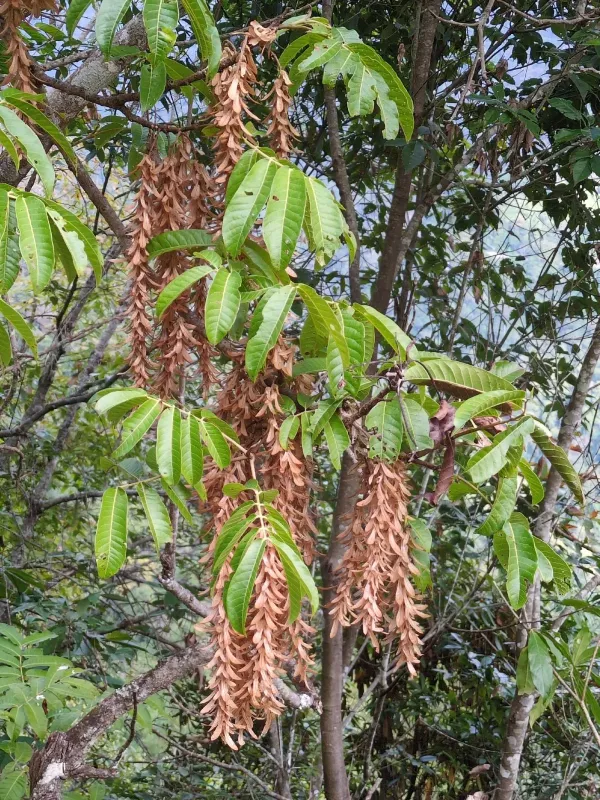
Description
Sowing dates
Propagation of Engelhardia spicata is primarily achieved through seeds. Because seeds have a short shelf life and lose viability quickly, they should be sown as soon as possible after collection.
Pre-treatment, such as soaking seeds in warm water, is often recommended to improve germination rates. The ideal time for sowing is at the beginning of the rainy season to ensure sufficient moisture for seedling development.
The growing medium must be loose and possess excellent drainage properties to prevent root rot. Using containers for initial seedling growth is standard practice in nurseries to protect delicate root systems.
Seedlings typically emerge within 3–5 weeks under controlled temperatures of 22–28 degrees Celsius. Providing light shade is crucial during the early stages of plant development to prevent sunscald.
Seedlings are transplanted to their permanent location once they reach 30–50 cm in height. Careful handling during this process is essential to maintain the structural integrity of the taproot.
Growing requirements
Engelhardia spicata, a member of the Juglandaceae (Walnut) family, is naturally found in the tropical and subtropical mountain forests of Asia. It thrives in high-altitude environments.
The species requires deep, fertile, and slightly acidic soils. Good drainage is non-negotiable, as the tree is highly susceptible to waterlogging which leads to rapid decline and fungal infections.
Climatic requirements involve stable temperatures and consistent rainfall throughout the year. While mature trees exhibit moderate resilience, they prefer the protection of a stable forest microclimate.
Protection from strong winds is necessary to prevent mechanical damage to the branches. In agroforestry settings, Engelhardia is often interplanted with other species to maintain soil stability.
Maintenance involves routine site management, including weed control and the application of organic fertilizers to sustain growth in nutrient-poor forest soils.
Yield
The primary economic value of Engelhardia spicata lies in its high-quality timber. It is highly regarded for its strength, durability, and attractive grain, making it ideal for high-end furniture.
The rotation period for harvesting is long, requiring sustainable management practices to ensure a steady supply. The growth rate is moderate, rewarding long-term investments in forestry.
The bark of the tree is a known source of tannins, which are traditionally used in the leather tanning industry, providing secondary economic utility for local populations.
Engelhardia serves an important environmental role in hillside reforestation. Its robust root system effectively prevents soil erosion on steep slopes, thereby protecting watershed areas.
Yield management focuses on maintaining optimal stand density. Periodic thinning allows the best individuals to develop thick, high-quality trunks suitable for industrial woodworking.
Main diseases and pests
Fungal pathogens are the most significant threats to young plantations, especially in environments with poor air circulation and excessive humidity levels.
Insects, particularly leaf-chewing larvae and wood-boring beetles, can cause significant damage. Early detection through regular forest health surveys is critical for control.
Sanitation practices, such as removing infected wood and maintaining adequate spacing between trees, help minimize the risk of large-scale disease outbreaks within a stand.
- Regular inspection of foliage and stems.
- Integrated pest management protocols.
- Maintenance of proper drainage systems.