
Engelhardia rigida
Engelhardia rigida
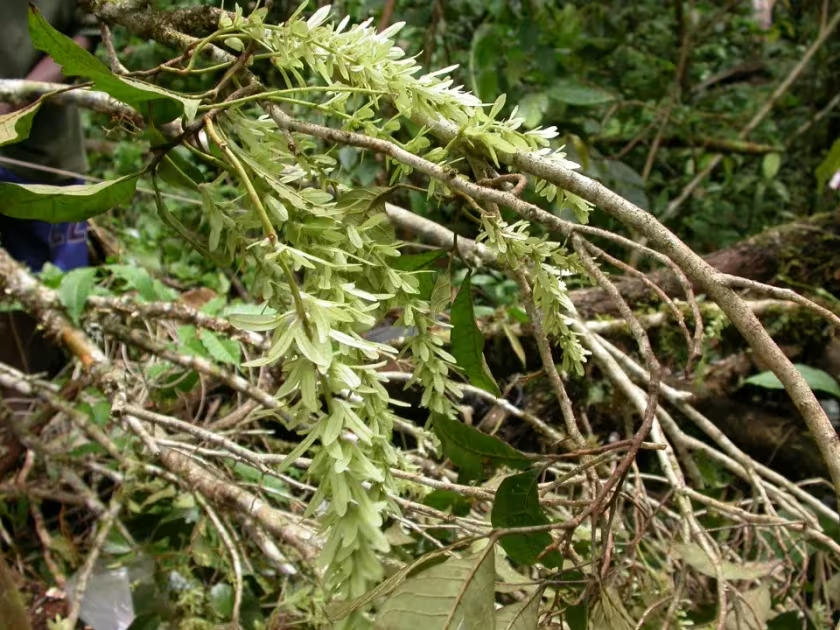
Description
Growing requirements
Engelhardia rigida is a large evergreen tree species belonging to the Juglandaceae family. Unlike many of its relatives from the temperate zone, this species is a typical representative of the tropical and subtropical mountain forests of Southeast Asia, where it thrives in specific ecological niches.
The tree is characterized by a robust trunk and a dense canopy consisting of leathery leaves with the characteristic pinnate structure common to the family. Biologically, the species is adapted to high humidity levels and stable temperatures, making it highly dependent on consistent microclimatic conditions during cultivation.
For successful growth, the crop requires fertile, well-drained soils with a neutral to slightly acidic pH. A crucial factor is the presence of a stable soil cover, mimicking the natural forest floor, which provides the tree with essential nutrients and helps maintain a consistent moisture regime.
Climatic requirements include protection from direct desiccating winds and sufficient year-round rainfall. The crop does not tolerate prolonged drought periods and is critically sensitive to temperature drops below the moderate tropical range, which limits its potential cultivation areas.
The economic use of Engelhardia rigida is primarily associated with the production of valuable timber, known for its high density and strength. In its native habitats, the plant also plays a significant ecological role in maintaining the structure and biodiversity of mountain forest ecosystems.