
Engelhardia roxburghiana
Engelhardia roxburghiana
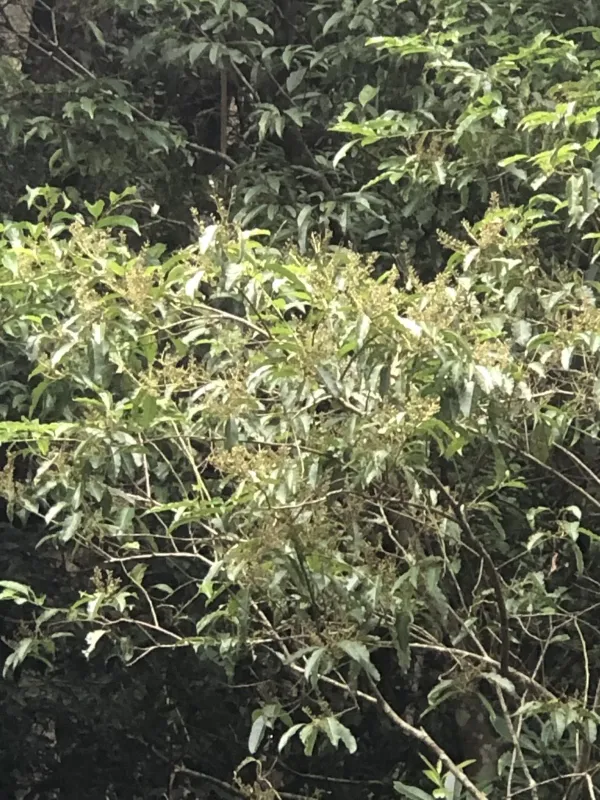
Description
Growing requirements
Engelhardia roxburghiana is a significant evergreen tree species belonging to the Juglandaceae family. It is native to the forests of East and Southeast Asia, where it plays an important role in the local ecosystem and forest economy.
The tree thrives in tropical and subtropical regions characterized by high annual rainfall. It prefers deep, nutrient-rich soils that have excellent drainage properties, as the species is highly intolerant to waterlogging and soil compaction.
Agricultural practices for this species focus on providing an environment that mimics its natural habitat. Young saplings require moderate shading and protection from strong winds to ensure steady growth during the early stages of development.
Soil fertility management is crucial, as the tree responds well to organic mulching and the maintenance of a healthy layer of forest litter. Adequate spacing between individual trees is necessary to prevent competition for light and resources as the trees mature.
The primary economic value of the tree lies in its dense, durable wood, which is utilized for high-quality construction and furniture. Additionally, its bark contains tannins, providing an alternative source of raw materials for various industrial processes.
Main diseases and pests
Root rot represents the most significant threat to the health of these trees. This condition is primarily caused by poor drainage, leading to the rapid decay of the root system and eventual tree death if not addressed promptly.
Insect pests, particularly borers that target the stem and branches, pose a persistent threat to commercial stands. Regular inspection and the removal of infested tree parts are essential steps in integrated pest management programs.
Defoliating insects can occasionally cause severe damage, especially in dense plantations where the lack of biodiversity facilitates the spread of pests. Encouraging natural predators is the most sustainable approach to controlling these populations.
Environmental stress, such as prolonged drought or extreme temperature shifts, makes the trees more susceptible to secondary infections and fungal pathogens that affect the bark and leaves.
Ensuring overall plant vigor through proper site selection and management is the best defense against threats. Healthy trees are significantly more resilient to the pressures of common forest diseases and pest infestations.