
Engelhardia serrata
Engelhardia serrata
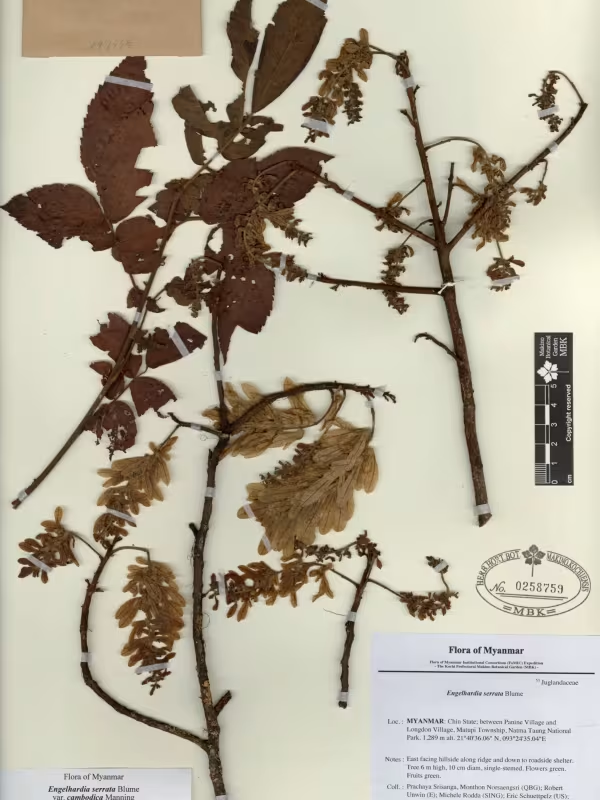
Description
Growing requirements
Engelhardia serrata is a prominent evergreen tree species belonging to the Juglandaceae family. Known for its robust growth, it is a significant element of the tropical forest ecosystems in Southeast Asia.
The origin of this species is traced to the humid tropical forests of countries like Indonesia, Malaysia, and the Philippines. It thrives in regions with consistent high humidity and warm temperatures throughout the year.
Successful cultivation requires deep, well-draining soils rich in organic matter. Waterlogged sites are detrimental to the plant, as they inhibit root development and promote fungal growth.
Climate requirements include tropical conditions without frost, as the species is highly sensitive to cold temperatures. It prefers sites with plenty of light, although saplings may benefit from partial shade during their initial growth phase.
The primary economic use of Engelhardia serrata is timber production. Its wood is highly valued in the furniture and construction industries due to its durability, density, and aesthetically pleasing grain patterns.
Main diseases and pests
Major threats to Engelhardia serrata include soil-borne pathogens that trigger root rot, especially in poorly drained agricultural fields. This is particularly critical during the high rainfall season.
Pests such as wood-boring beetles pose a serious risk to the timber quality. These insects tunnel into the trunks of mature trees, causing structural damage and decreasing the market value of the harvested wood.
Effective management includes maintaining proper spacing between trees to allow for adequate ventilation and sunlight penetration. This reduces the humidity levels that favor disease outbreaks.
Regular monitoring of the canopy and trunk is essential to detect pest infestations at an early stage. When necessary, biological control measures are preferred to maintain the environmental safety of the plantation.
Sanitation practices, such as removing debris and infected plant material from the forest floor, are crucial to prevent the buildup of pest and disease populations within the plantation.