
Encephalartos whitelockii
Encephalartos whitelockii
Description
Growing requirements
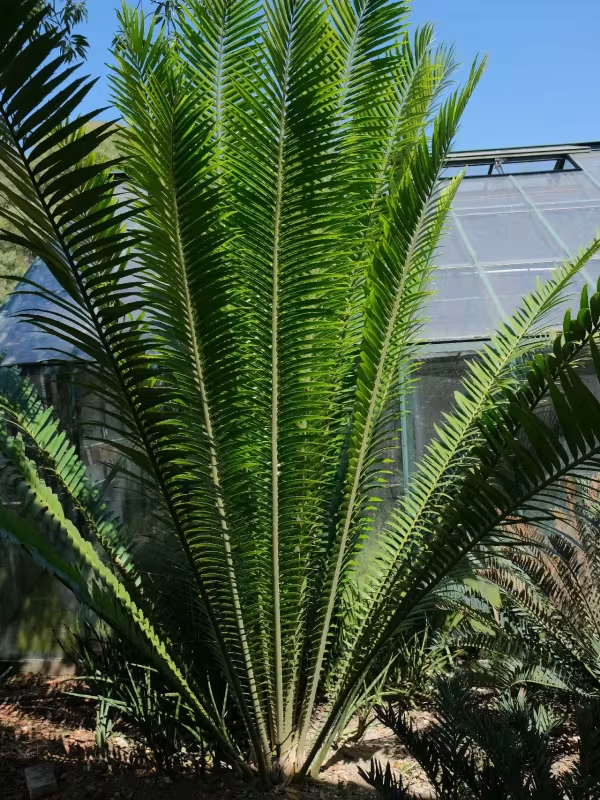
Encephalartos whitelockii is a highly sought-after species within the Zamiaceae family, known for its majestic trunk and stiff, dark green leaves. This cycad is native to the Mpanga River Gorge in Uganda, where it thrives in rocky, well-drained environments near steep cliffs.
The plant requires a strictly warm climate and cannot tolerate frost. In non-tropical regions, it must be kept in a greenhouse or a climate-controlled conservatory where temperatures do not drop significantly during the night.
Optimal soil conditions must mimic its natural rocky habitat. A coarse, gritty soil mix is essential, ensuring that irrigation water passes through immediately to prevent root asphyxiation, which is the most common cause of failure in cultivation.
Sunlight requirements are quite high for this species. While it can tolerate partial shade, it grows best and maintains its structural integrity when exposed to bright, indirect sunlight or filtered full sun throughout the day.
Maintenance involves minimal intervention due to the slow growth rate of the plant. Fertilization should be limited to the growing season, using slow-release fertilizers formulated for palms and cycads to support its gradual development over many years.
Main diseases and pests
Common pests affecting Encephalartos whitelockii include mealybugs and scale insects. These pests often hide at the base of the leaves or near the crown, requiring careful inspection and application of horticultural oil or systemic insecticides.
Fungal issues such as root rot remain the primary threat to the health of the plant. Maintaining proper airflow and allowing the substrate to dry out sufficiently between watering sessions is the most effective preventative measure against pathogenic soil fungi.