
Encephalartos altensteinii
Encephalartos altensteinii
Description
Growing requirements
Encephalartos altensteinii is a distinguished member of the Zamiaceae family, native to the Eastern Cape province of South Africa. This ancient cycad species thrives in coastal forests and rocky slopes, reflecting its evolution in specialized ecological niches.
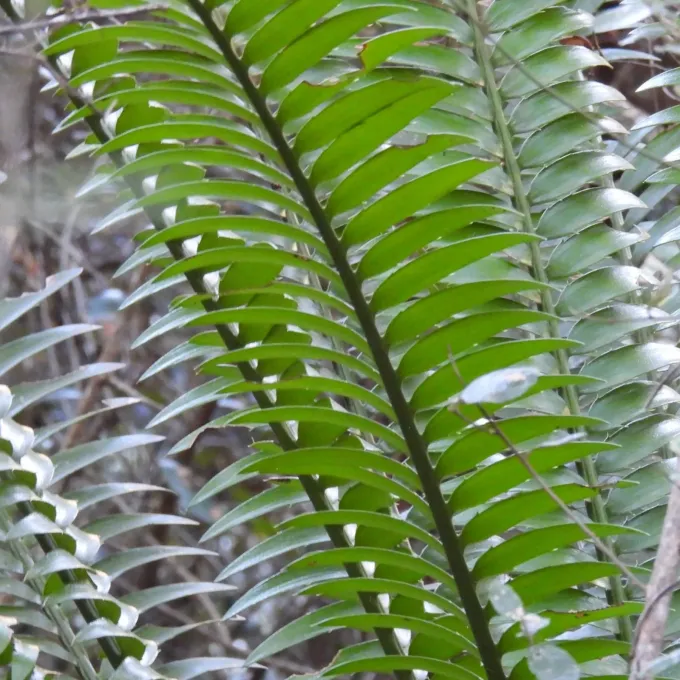
Botanically, it features a robust, cylindrical trunk and stiff, pinnate leaves. As a slow-growing dioecious species, it represents a significant biological specimen in modern botanical collections and specialized plant nurseries.
The soil requirement for this crop is paramount: a highly porous, gritty substrate is essential. It must be able to drain water rapidly to prevent the root suffocation that is characteristic of container-grown cycads in heavy or compacted soils.
Climatic requirements focus on warmth and consistent light. While mature specimens are somewhat drought-tolerant, consistent growth in nursery conditions requires regular moisture, high humidity, and protection from any frost or freezing temperatures.
Agrotechnical management involves a balanced fertilizing program during the active growth phase, utilizing slow-release, low-nitrogen formulations to ensure steady, healthy development of the foliage without forcing growth.
Main diseases and pests
Root rot, primarily caused by excessive soil moisture and poor aeration, remains the most lethal threat to this species. Preventive measures include strictly monitoring irrigation cycles and using sterilized planting media for all propagation steps.
Pest pressures typically involve scale insects and mealybugs. These sap-sucking pests congregate in the sheltered crevices of the leaf bases, necessitating frequent monitoring and targeted chemical intervention when outbreaks occur.
Environmental stress can manifest through yellowing foliage or leaf-tip burn. This is often a sign of water stress or high salt accumulation in the soil, which can be mitigated by periodic leaching of the substrate with distilled or purified water.
The use of systemic insecticides is highly recommended for the control of hidden pests within the dense crown, provided that application follows strict safety guidelines due to the toxic nature of cycad tissues.
Overall economic utility is restricted to the high-end ornamental and botanical garden sectors. Propagation via offsets or seed requires professional expertise, making this a specialty crop rather than a mass-market agricultural product.