
Encephalartos cupidus
Encephalartos cupidus
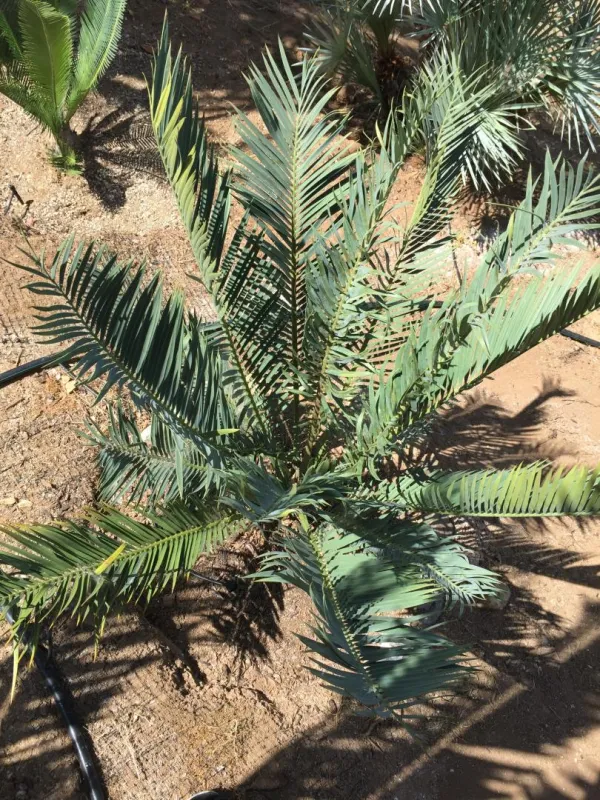
Description
Growing requirements
Encephalartos cupidus belongs to the Zamiaceae family and is recognized as a highly localized species native to the Mpumalanga province in South Africa. As a prehistoric plant group, it possesses unique physiological adaptations allowing it to thrive in rugged, rocky terrain.
The cultivation of this species requires mimicking its natural, well-drained habitat. It is a slow-growing evergreen plant that displays a robust trunk and stiff, glaucous leaflets, making it a prized specimen for collectors and specialized conservatories.
Optimal growth conditions involve full sun exposure and a gritty, inorganic soil mixture. Drainage is the most critical factor; even a short period of waterlogging can be fatal to the root system, leading to rapid tissue decay and plant loss.
Temperature management is vital, as this species is sensitive to extreme frost. During the winter dormancy phase, the plant should be kept in a cool and almost dry environment, which is essential for its long-term health and development cycle.
Horticultural value is centered on its rarity and aesthetic appeal. Given the strict international trade regulations (CITES), propagation is mostly conducted in botanical settings with a focus on conservation and limited distribution among dedicated cycad enthusiasts.
Main diseases and pests
Root rot caused by Oomycetes and various soil-borne fungi is the primary threat to the health of Encephalartos cupidus. These pathogens thrive in stagnant water conditions, making soil composition and irrigation frequency the most critical aspects of plant management.
Scale insects and mealybugs are the most common pests, frequently colonizing the underside of the leaflets and the crown of the plant. Regular monitoring is essential to catch infestations before they cause significant physiological stress to the cycad.
Poor ventilation in greenhouse environments can lead to humidity pockets, encouraging the spread of fungal spores and mites. Providing adequate airflow around the plant canopy is a simple yet effective preventative measure for many common pests.
Physical damage to the root system during repotting or handling can provide entry points for bacterial infections. Always ensure that the growing media is sterilized and that tools used for any maintenance are thoroughly disinfected.
Integrated pest management protocols should prioritize non-toxic methods where possible. Systematic fungicides or specific horticultural oils may be used, but they must be applied cautiously to avoid scorching the waxy cuticle of the leaves.