
Encephalartos eugene-maraisii
Encephalartos eugene-maraisii
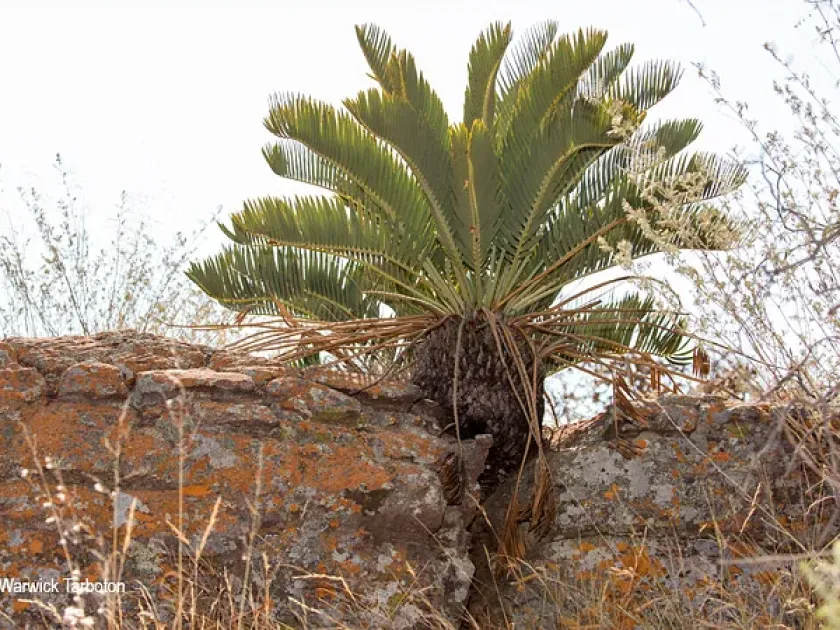
Description
Growing requirements
Encephalartos eugene-maraisii belongs to the Zamiaceae family. This distinct cycad is endemic to the mountainous terrains of the Limpopo province in South Africa, where it thrives in rocky, well-drained environments.
Botanically, it is characterized by its relatively short, stout trunk and stiff, glaucous-green leaflets. The growth rate is extremely slow, making it a prized specimen for botanical collections and conservationists worldwide.
To cultivate this species, one must replicate its natural habitat conditions. The soil must be highly porous and inorganic, ensuring that water drains immediately to prevent the crown and roots from rotting.
Sunlight requirements are demanding; the plant requires full sun to maintain its structural integrity and leaf color. In controlled environments, providing a temperate climate with low humidity is essential to avoid fungal issues.
Economically, it is not an agricultural crop in the traditional sense, but it holds high value in the specialized horticultural market. Proper care involves strict adherence to propagation protocols to protect the species' genetic diversity.
Main diseases and pests
Root rot is the most common threat, primarily caused by improper watering techniques or heavy, water-retaining soils. Maintaining a strict cycle of wet and dry periods is vital for survival.
Pest management should focus on monitoring for mealybugs and scale insects, which tend to infest the leaf base. Regular inspections and mild horticultural oil applications are typically recommended for management.