
Encephalartos hirsutus
Encephalartos hirsutus
Description
Growing requirements
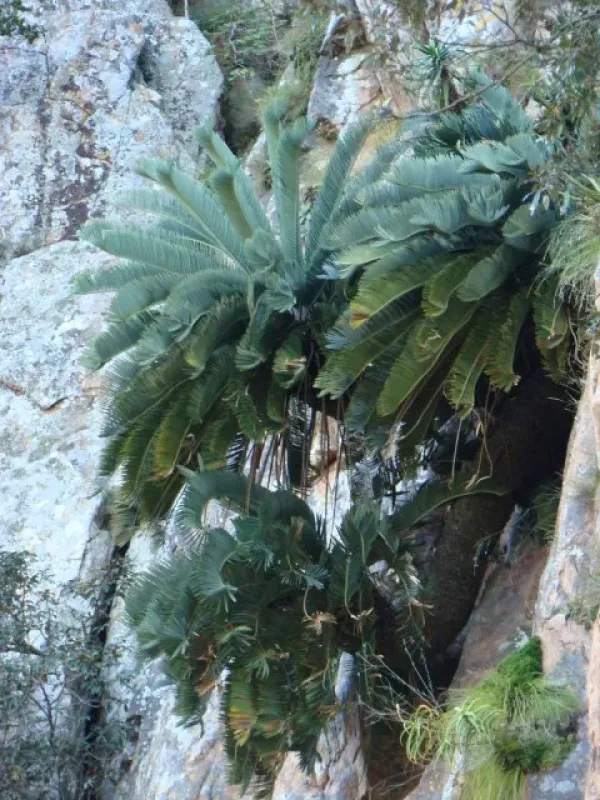
Encephalartos hirsutus, commonly known as the hairy breadpalm, is a critically endangered species within the Zamiaceae family. It is distinct for the fine, hair-like covering on its leaves.
The native habitat of this plant is located in the rocky outcrops of the Limpopo province in South Africa. It thrives in exposed areas that receive significant sunlight and seasonal rainfall.
Cultivation requires a well-draining, gritty soil mix. Gardeners should ensure the medium consists of coarse sand, perlite, and organic matter to prevent water logging around the caudex.
Light intensity should be high; however, protection from intense mid-afternoon sun is recommended to prevent leaf scorch, especially for younger plants acclimating to new environments.
Temperature management is crucial for the plant's long-term health. It is not cold-hardy and should be kept in environments where temperatures do not drop below 10°C during the winter months.
Main diseases and pests
Scale insects are the most persistent pest for cycads. They latch onto the leaf undersides and stems, draining plant sap and causing premature yellowing of the foliage.
Mealybugs are another common concern, often hiding in the dense woolly crown of the plant. Regular inspection of the central growing point is necessary to prevent infestations.
Fungal pathogens such as Phytophthora are the primary cause of root rot in greenhouse conditions. Overwatering acts as the main catalyst for these aggressive soil-borne diseases.
In low-humidity environments, spider mites can colonize the leaflets, leading to a dull, chlorotic appearance. Maintaining proper air circulation is the best preventative measure.
For chemical intervention, systemic insecticides and fungicides should be used with caution, adhering strictly to agricultural safety standards and application rates.