
Encephalartos villosus
Encephalartos villosus
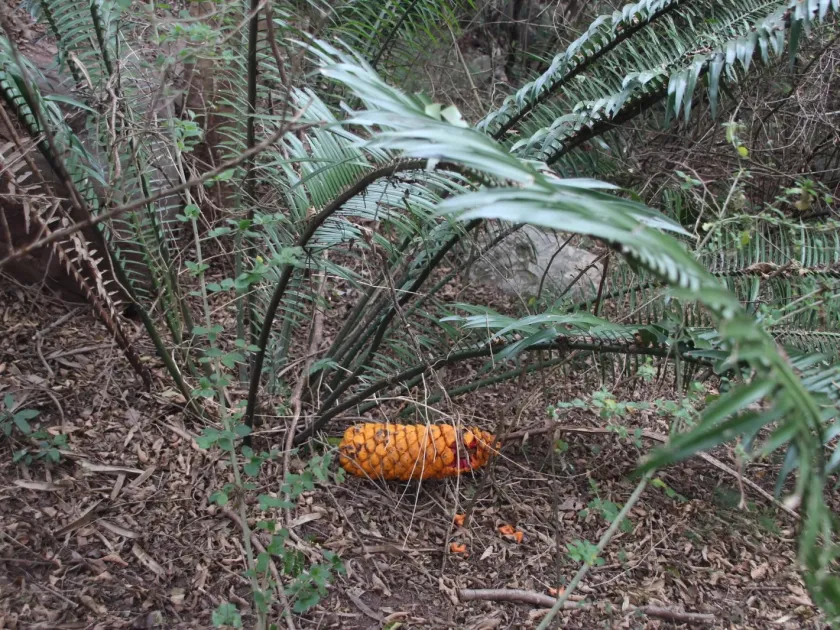
Description
Growing requirements
Encephalartos villosus is a remarkable species belonging to the Zamiaceae family. Native to the coastal forests and grassland regions of South Africa, it is widely recognized by its distinctive, robust fronds that emerge from a subterranean or short stem.
The plant thrives in dappled light conditions. In a controlled environment, such as a greenhouse or a conservatory, it requires protection from harsh midday sun to maintain the deep green color of its foliage and ensure healthy development.
Regarding soil requirements, the culture demands a well-draining, porous substrate. A mix containing peat, perlite, and coarse sand is ideal to mimic the natural, well-aerated forest floor where these plants originate.
Temperature management is critical for this species. It is strictly frost-tender and requires stable, warm temperatures ranging from 18 to 28 degrees Celsius. Any exposure to temperatures below 5 degrees Celsius can cause significant tissue damage.
In terms of agricultural techniques, water management is the most vital aspect. While the plant appreciates moderate humidity, the growing medium must be allowed to dry out slightly between waterings to prevent root system suffocation and decay.
Main diseases and pests
Root rot is the most common and fatal condition for Encephalartos villosus. It is almost exclusively caused by poor drainage or overwatering, necessitating a strictly monitored irrigation schedule.
Scale insects are primary pests that infest the base of the fronds. These pests are difficult to eradicate due to their protective coverings, requiring systemic insecticides or manual removal with alcohol-soaked swabs.
Mealybugs often colonize the crown of the plant. If left untreated, they can severely stunt the growth of new leaves and weaken the entire specimen over time.
Spider mites represent a recurring threat in low-humidity environments. Regular foliage misting or increasing ambient humidity is an effective cultural method to prevent mite outbreaks.
Fungal leaf spots can occur if air circulation is insufficient. Ensuring proper spacing between plants and maintaining a clean growing area significantly reduces the risk of such infections.