
Encephalartos septentrionalis
Encephalartos septentrionalis
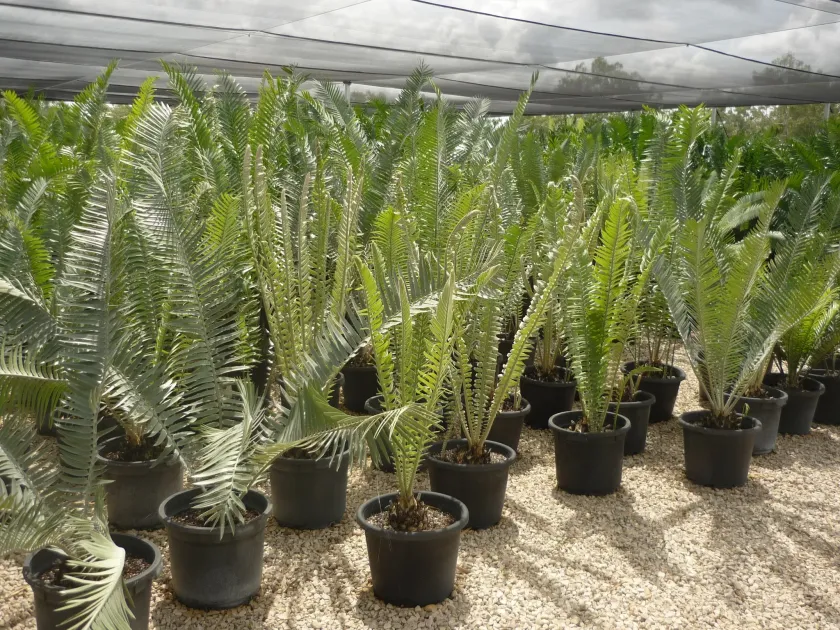
Description
Growing requirements
Encephalartos septentrionalis is a rare species within the Zamiaceae family, native to the arid savanna regions of Central Africa. This slow-growing cycad is highly prized by collectors for its prehistoric appearance and sturdy, pinnate, leathery leaves.
The plant thrives in full sun exposure. In a controlled environment or greenhouse, it requires intense light to maintain its structural integrity and slow growth rate. Lack of proper lighting often results in etiolation, where leaves become thin and lose their characteristic toughness.
Soil composition is critical for this species' survival. A well-draining, porous substrate is mandatory to prevent root asphyxiation. A mix containing gravel, coarse sand, and a small amount of organic compost provides the aeration needed for the extensive root system.
Water management must be approached with caution. The plant is drought-tolerant once established, but it requires periodic watering during the growing season. The soil must dry out completely between sessions to mimic its native arid habitat and prevent rot.
Temperature requirements are stringent, as this is a tropical plant. It requires warm conditions throughout the year and does not tolerate freezing temperatures. Stable air circulation is also beneficial to prevent heat stress during peak temperatures.
Main diseases and pests
Root rot is the most significant threat to Encephalartos septentrionalis, usually caused by overwatering or poor drainage. Once established in the stem base, it is difficult to treat, often leading to the loss of the entire specimen.
Scale insects are common pests that attach themselves to the undersides of the leaves. They extract sap, which can weaken the plant over time. Regular inspections and manual removal, combined with horticultural oils, are effective control measures.
Mealybugs can also infest the plant, hiding in the crevices between leaf bases. These pests can be particularly destructive to young, emerging fronds, causing distortion and stunted growth if not managed promptly with systemic insecticides.
Fungal leaf spot diseases may appear if humidity is too high without adequate airflow. Keeping the leaves dry and ensuring good ventilation around the plant is the primary method of preventing these unsightly and potentially damaging infections.
Lack of proper quarantine for new plants can introduce soil-borne pathogens. Always ensure that any new growing media or introduced companion plants are free from pests and diseases to protect the health of your collection.