
Mountain Cycad
Encephalartos nubimontanus
Description
Growing requirements
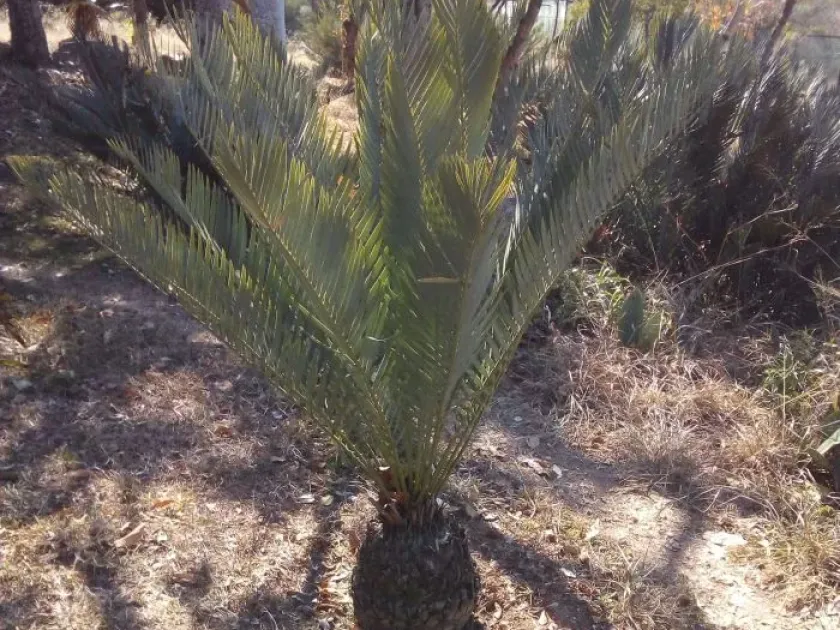
Encephalartos nubimontanus, commonly known as the Mountain Cycad, belongs to the Zamiaceae family. It is a slow-growing, perennial species characterized by a robust, woody trunk and rigid, pinnate foliage.
The plant is endemic to the mountainous regions of Limpopo province, South Africa. It naturally inhabits rocky slopes and cliffs, surviving in thin, nutrient-poor, and well-draining soils.
In cultivation, the substrate must mimic these conditions. A highly porous, grit-based mix is essential to prevent water accumulation, which is detrimental to the plant's massive taproot.
Environmental conditions require significant sunlight, though protection from intense midday sun in hot climates is advisable. The plant is sensitive to cold and requires greenhouse protection in non-tropical zones.
Maintenance involves very infrequent watering, allowing the soil to dry out completely between sessions. Proper aeration around the foliage is necessary to maintain overall vigor and appearance.
Main diseases and pests
Root rot is the primary threat to the Mountain Cycad, often resulting from improper watering schedules or poor soil drainage. This condition is frequently irreversible once the trunk starts softening.
Scale insects are the most common pests found on the leaflets. They can remain unnoticed for long periods until their population causes yellowing and stunted growth of the plant.
Mealybugs can infest the crown area, where the new leaves emerge. Their presence weakens the plant and requires immediate manual removal or the application of specialized systemic pesticides.
Fungal pathogens may target the stems if the humidity levels remain too high. Maintaining air circulation is the best preventive measure for any indoor-grown collection of cycads.
As an endangered species, it is crucial to procure specimens from certified nurseries to avoid ecological damage and to ensure the plant is free from imported pests or diseases.