
Encephalartos lebomboensis
Encephalartos lebomboensis
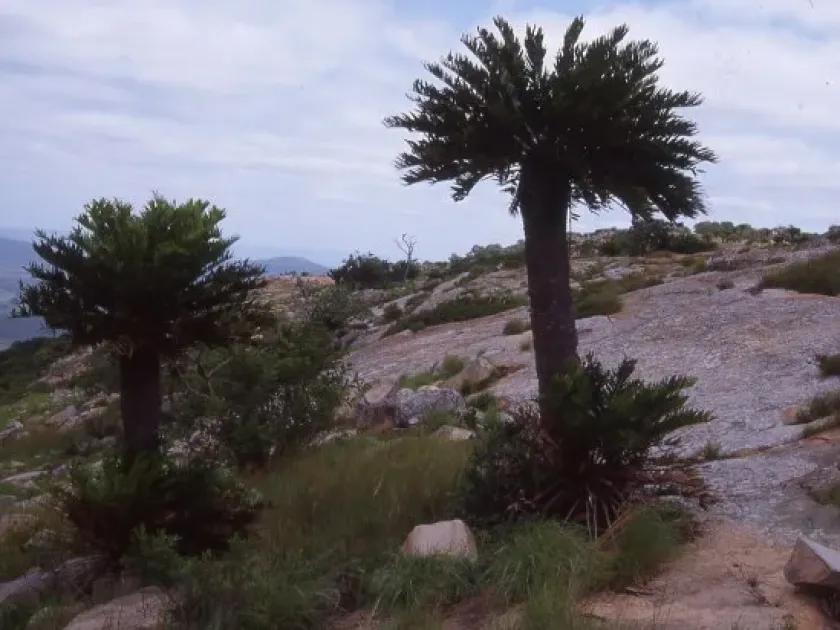
Description
Growing requirements
Encephalartos lebomboensis is a prominent member of the Zamiaceae family, highly regarded by botanical collectors for its architectural appearance.
Native to the Lebombo mountains in Southern Africa, this plant thrives in rocky, well-drained soils and mountainous terrain exposed to natural ventilation.
In cultivation, it requires a balance of full sun exposure and well-draining mineral-rich substrate to mimic its harsh natural mountain habitat.
Temperature management is critical; while it tolerates occasional cooling, it prefers stable warm temperatures and must be protected from frost in non-native regions.
The plant growth rate is exceptionally slow, necessitating long-term patience and careful maintenance of its hydration cycles throughout the year.
Main diseases and pests
The most significant threat to the plant's survival in container gardening is root rot caused by stagnant water or soil that lacks proper porosity.
Mealybugs are common pests that colonize the tight spaces between leaf bases, causing structural damage and weakening the plant over time.
Scale insects frequently target the hardy foliage, and their presence can lead to secondary fungal infections that mar the appearance of the leaves.
Spider mites are known to infest the plant in environments with low humidity, quickly causing yellowing and dieback of affected fronds.
Effective management requires a proactive approach including regular inspections, quarantine for new specimens, and selective application of horticultural oils.