
Encephalartos ituriensis
Encephalartos ituriensis
Description
Growing requirements
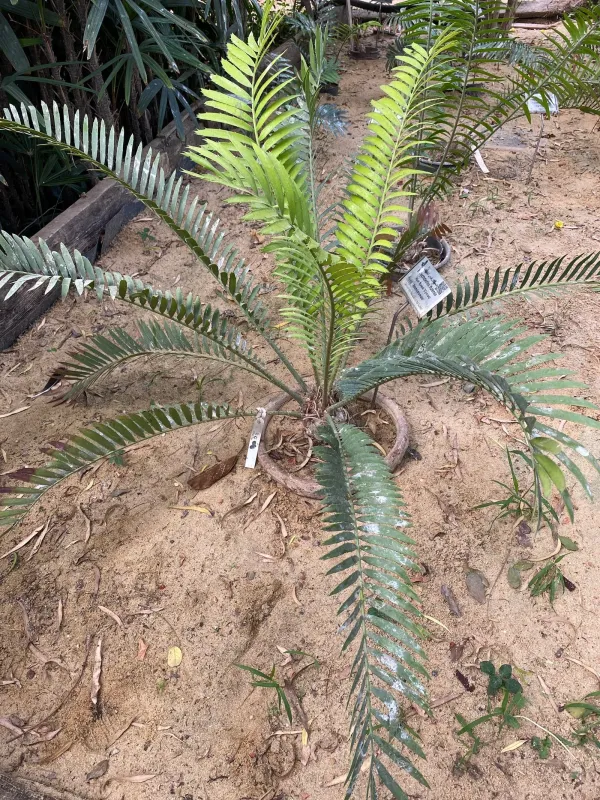
Encephalartos ituriensis is a rare member of the Zamiaceae family, originating from the rocky basins of the Ituri River in the Democratic Republic of the Congo. This slow-growing cycad is highly prized for its prehistoric appearance and structural elegance.
The plant features a stout, tree-like trunk and long, rigid pinnate leaves that can reach up to several meters in length. It is a dioecious species, meaning male and female cones are produced on separate plants, which is a key feature of its biology.
Cultivation requires a tropical climate with temperatures consistently above 15°C. Exposure to frost is lethal, making greenhouse conditions essential for this plant in non-tropical regions to ensure survival throughout the year.
Soil requirements are strict, demanding excellent drainage to mimic its natural rocky habitat. A mix of sand, pumice, and well-decomposed organic matter is recommended to prevent waterlogging and root rot issues.
Commercially, it is treated as a high-end ornamental plant. Due to its status as a protected species in the wild, legal trade is restricted to certified nursery-grown specimens that meet international conservation standards.
Main diseases and pests
Root rot is the most significant threat to Encephalartos ituriensis, usually caused by poor drainage or excessive irrigation. Ensuring the soil is well-aerated is the primary defense strategy for any grower.
Scale insects and mealybugs are common pests that colonize the dense foliage. These pests can weaken the plant by extracting sap, requiring manual removal or the application of horticultural oils for control.
Spider mites are a recurring threat in indoor environments where air circulation is limited and humidity is low. Maintaining a steady humidity level helps keep these populations under control.
Fungal leaf spot diseases can occur if water remains on the foliage for extended periods in cool, stagnant air. Proper ventilation and avoiding overhead irrigation help prevent these unsightly and damaging spots.
Any physical damage to the trunk or roots during transplanting must be addressed immediately with antiseptic agents to prevent secondary bacterial infections that could kill the entire specimen.