
Encephalartos inopinus
Encephalartos inopinus
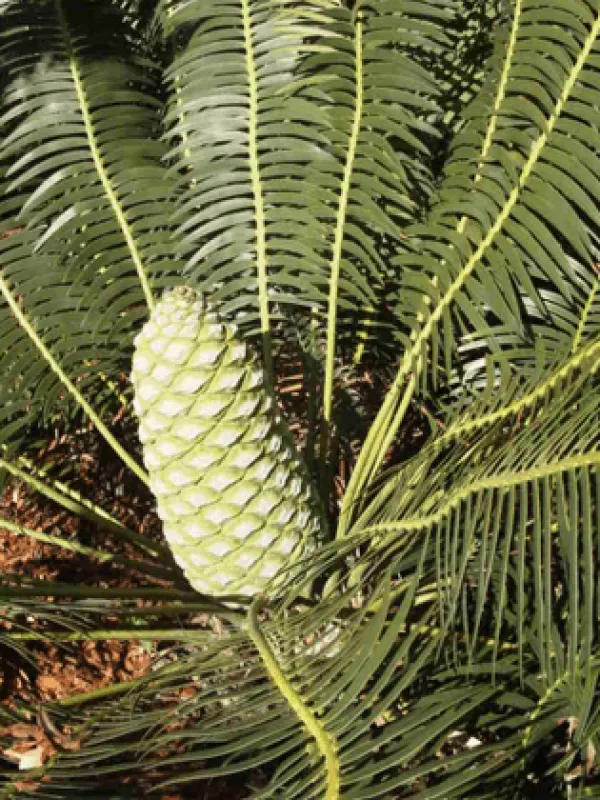
Description
Growing requirements
Encephalartos inopinus is a rare and distinct species belonging to the Zamiaceae family. It is a slow-growing gymnosperm endemic to a small region in Limpopo province, South Africa, where it thrives on rocky, limestone-rich slopes.
Botanically, it is known for its grey-green, rigid, pinnate leaves and a cylindrical trunk that can become quite thick over decades. Because of its rarity and slow growth rate, it is highly valued among collectors of exotic botanical specimens.
The cultivation of this plant requires a precise environment. It demands a highly porous, mineral-based soil medium to ensure rapid water drainage, preventing the catastrophic root rot to which this species is highly susceptible.
Light requirements are intense; the plant thrives in bright, filtered sunlight. Insufficient light exposure will result in etiolation, where the plant develops weak, elongated growth that compromises its structural integrity.
Temperature management is equally crucial. While it is hardy in its native habitat, cultivated plants must be protected from frost and freezing conditions. A stable, warm climate during the growing season is essential for healthy foliage production.
Main diseases and pests
The most significant threat to Encephalartos inopinus in cultivation is root and stem rot caused by pathogenic fungi. Overwatering remains the primary reason for these infections, making irrigation control the most vital management task.
Pests such as scale insects and mealybugs represent common challenges. These insects attach themselves to the leaf bases and stems, draining the plant of vital nutrients and causing visible stress or leaf chlorosis.
Spider mites are also prevalent in dry, indoor environments. They pierce leaf tissues to extract sap, leading to stunted growth and mottled appearance of the foliage, which can eventually lead to plant decline if not addressed.
Controlling these threats requires integrated pest management (IPM) practices. This includes the mechanical removal of pests, environmental adjustments, and the judicious use of systemic pesticides when chemical intervention is necessary.
- Monitor soil moisture levels frequently to avoid stagnation.
- Ensure adequate air circulation to prevent fungal pathogens.
- Apply specialized fertilizers sparingly during the active growth phase.