
Alocasia odora
Alocasia odora (Lodd. et al.) Spach
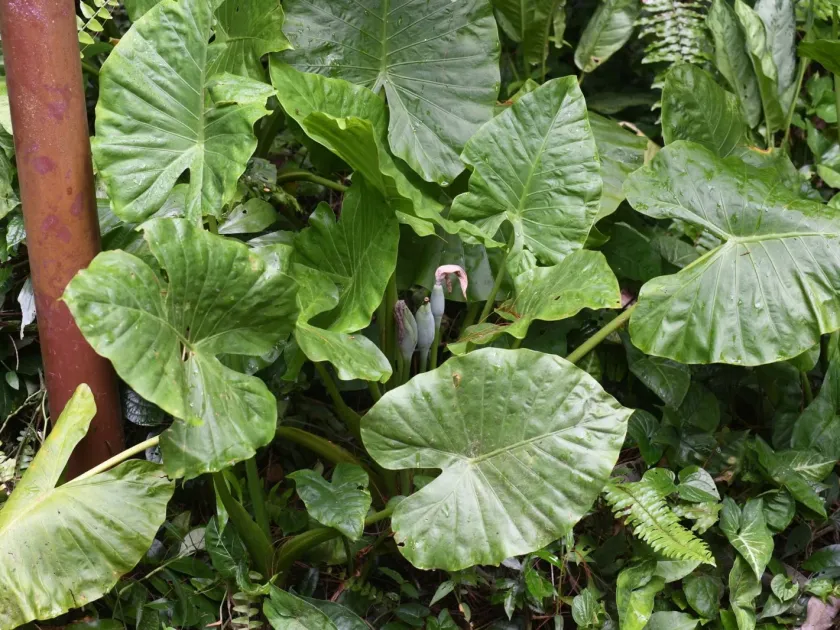
Description
Growing requirements
Alocasia odora is a giant perennial herb belonging to the Araceae family, natively thriving in the warm, humid tropical and subtropical forests of East and Southeast Asia.
The species requires a climate with consistent moisture and temperatures ideally ranging between 20°C and 30°C, as it possesses poor tolerance for frost and cold environmental conditions.
Soil requirements include high organic content, excellent drainage, and a slightly acidic to neutral pH, which supports the intensive development of its large tuberous rhizomes.
Shade management is crucial for commercial production, as prolonged exposure to intense direct sunlight can lead to leaf scorching and impaired photosynthetic efficiency.
Consistent water supply is essential; the plant relies on high atmospheric humidity and well-irrigated soil to maintain the turgor of its signature expansive, fragrant foliage.
Yield
The primary agricultural interest in Alocasia odora stems from its starchy rhizomes, which are utilized in various culinary and industrial applications following rigorous detoxification processing.
Due to the presence of calcium oxalate crystals, the plant material must undergo thorough cooking or fermentation to ensure safety for human or animal consumption.
Crop productivity is heavily influenced by the nutrient profile of the soil and the length of the growth cycle, which typically requires a period of vegetative stability before harvest.
In certain traditional farming systems, the plant is valued for its resilience and ability to produce substantial biomass in underutilized tropical landscape areas.
Future agricultural prospects involve refining extraction methods to maximize the yield of starches and bioactive compounds from the rhizome structures.
Main diseases and pests
Spider mites represent a significant pest threat, particularly during dry seasons, often causing extensive damage to the photosynthetic leaf surface of the plants.
Soil-borne pathogens, specifically Pythium and Phytophthora, frequently cause root and rhizome rot, especially in poorly drained agricultural environments.
Bacterial blight infections manifest as spreading necrosis on the leaves, necessitated by high-humidity conditions that favor the rapid proliferation of pathogens.
Disease management strategies emphasize the importance of using certified planting stock and implementing rigorous sanitation protocols to maintain the health of the fields.
Integrated pest management, including regular inspection and the judicious use of pesticides, remains the gold standard for maintaining yields in Alocasia plantations.