
Echeveria gilva
Echeveria x gilva E. Walther
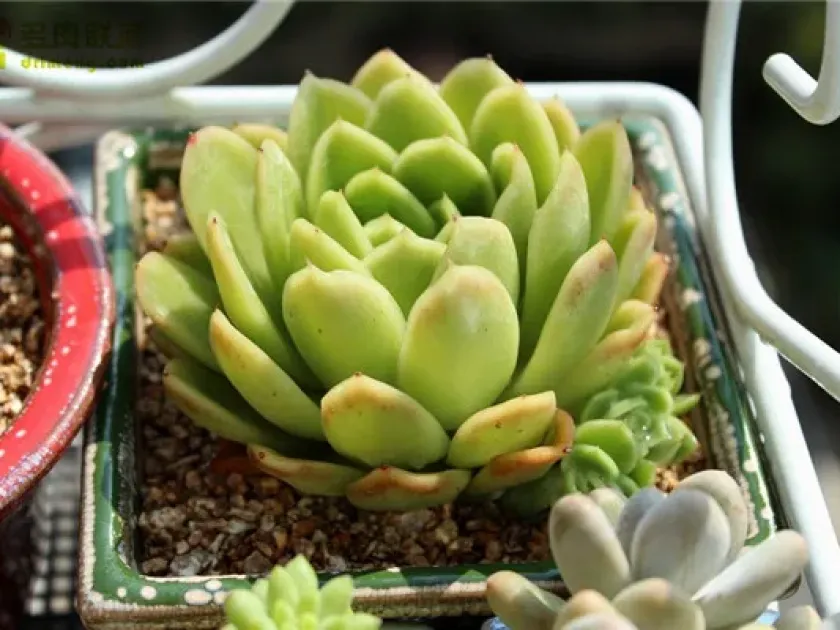
Description
Growing requirements
Echeveria gilva (Echeveria x gilva) is a hybrid succulent belonging to the Crassulaceae family. It is a highly valued ornamental plant known for its tight, symmetrical rosettes and sturdy, fleshy leaves. As a hybrid, it combines the aesthetic traits of several wild species, making it a favorite for indoor collectors.
The culture requires high levels of bright, indirect sunlight to maintain its compact form. In low-light environments, the plant tends to etiolate, stretching its stem and losing its distinctive rosette shape. Providing 6–8 hours of bright light is essential for maintaining deep leaf colors.
Soil requirements for this species are specific: it needs a highly porous, gritty medium. A standard commercial potting mix is usually too moisture-retentive, so it must be amended with mineral components like perlite, pumice, or coarse sand to ensure water flows through the root zone quickly.
Climate needs are centered on the avoidance of extremes. While it thrives in warm temperatures between 20°C and 25°C during the growing season, it prefers a distinct cool-down period in winter, ideally between 10°C and 12°C. During this dormant phase, water requirements drop significantly.
In terms of хозяйственное usage, Echeveria gilva is primarily cultivated for the floriculture market. Its small size and low water needs make it an ideal candidate for dish gardens, vertical succulent walls, and indoor container arrangements, often serving as a focal point in decorative indoor landscaping.
Main diseases and pests
The most common threat to Echeveria gilva is root rot, caused by overwatering or poor drainage. Excess moisture in the soil prevents roots from breathing, leading to tissue death and the rapid onset of fungal infections that can quickly spread to the plant's core.
Mealybugs are the primary pest concern for this species. These insects thrive in the protected areas between leaves and in the crown of the plant. Their presence is often identified by a white, cotton-like substance, which indicates an established colony feeding on the succulent's sap.
Fungal issues, particularly powdery mildew or crown rot, can occur if the plant is kept in an environment with high humidity and poor air circulation. To prevent these, it is crucial to ensure that water never remains trapped in the center of the leaf rosette after irrigation.
Effective management involves preventive measures such as ensuring the substrate is completely dry before the next watering cycle. If an infestation occurs, applying horticultural oils or systemic insecticides specifically formulated for succulents is necessary to eliminate the pests.
Overall plant health is highly dependent on environmental sanitation. Removing dead leaves from the base of the stem is a critical agronomic practice, as these decaying parts provide an entry point for pathogens and harbor various insect pests that damage the plant's epidermis.