
Echeveria unguiculata
Echeveria unguiculata Kimnach
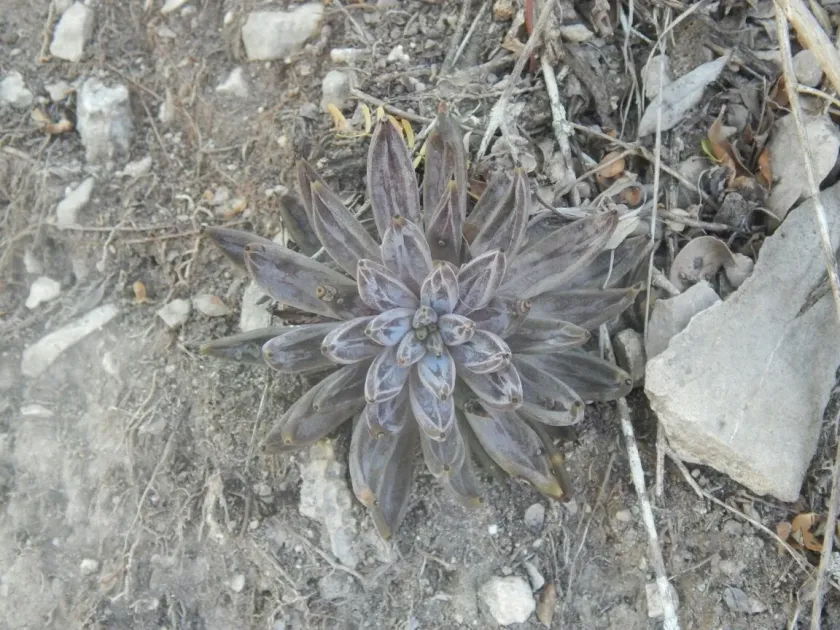
Description
Sowing dates
Propagation of Echeveria unguiculata is primarily achieved through vegetative methods, such as leaf cuttings or offsets, which ensure the genetic uniformity of the crop. The best time for propagation is during the active growth phase, typically in late spring or early summer.
If seeds are used, they should be sown on the surface of a fine, well-draining substrate in early spring. The environment must be maintained at a constant temperature of 22–25 degrees Celsius, providing consistent, bright, and indirect light to facilitate germination.
Seeds should not be buried deep, as they require light to germinate. Maintaining high humidity with clear plastic covers is essential during the initial weeks, followed by a gradual acclimatization process to lower humidity levels.
Cuttings require a callus formation period of 2–3 days in a shaded, dry area before being inserted into a specialized succulent substrate. This prevents tissue decay and promotes faster root development upon contact with the soil.
Once established, young plants should be transplanted into individual containers. Proper spacing is crucial at this stage to avoid overcrowding and ensure adequate airflow for the developing rosettes, which reduces the incidence of disease.
Growing requirements
Echeveria unguiculata is a member of the Crassulaceae family and is native to mountainous Mexican regions. This species thrives in environments that replicate its natural habitat: high sun exposure, excellent drainage, and moderate ventilation.
The plant requires bright light for most of the day to maintain its compact rosette shape and vibrant foliage colors. Insufficient lighting will cause the plant to etiolate, making it leggy and less commercially viable as an ornamental crop.
A porous growing medium is essential. A mixture composed of perlite, vermiculite, and coarse sand provides the necessary aeration for root health. The soil should be slightly acidic to neutral to ensure optimal nutrient uptake without risking root burn.
Temperature management is critical for the survival and quality of the plant. Summer temperatures between 20–28 degrees Celsius are ideal, while a winter cooling period around 10–15 degrees Celsius helps stimulate the plant's natural dormant cycle.
Watering must be conducted with extreme caution. The "soak and dry" method is highly recommended, ensuring that the soil is completely dry before the next irrigation. Avoid getting water into the center of the rosette to prevent crown rot.
Yield
In commercial ornamental horticulture, yield is measured by the quality of the plant habit, color saturation, and the percentage of successful propagation from cuttings. Echeveria unguiculata is a slow grower, requiring patience and consistent management.
Market demand is driven by the aesthetic appeal of the rosettes. Growers often use balanced, low-nitrogen liquid fertilizers during the active growing season to enhance growth rates without compromising the plant's structural integrity or color.
Efficient yield optimization involves strictly controlling the light intensity and ventilation. Proper environmental control in greenhouses allows for a more predictable and uniform crop, which is highly desirable for retail distribution and floral arrangements.
The economic success of cultivating this species relies on maintaining healthy, symmetrical rosettes. Regular quality control inspections help in identifying plants that may require additional space or adjustment in fertilization to reach market standards.
Planning for production cycles should account for the plant's seasonal needs. By mimicking natural cycles and providing appropriate intervals for growth, producers can maintain a high-quality inventory suitable for high-end landscaping and home decor markets.
Main diseases and pests
The primary threats to Echeveria unguiculata involve fungal infections of the roots and infestation by sap-sucking insects. Mealybugs are a significant pest, often hiding in the dense foliage where they are difficult to reach with standard treatments.
Root rot is the most common physiological issue, resulting from overwatering or poorly draining soil. If the base of the stem turns mushy or dark, immediate action, including repotting and fungicide treatment, is required to salvage the specimen.
Prevention remains the best strategy against pests. Maintaining proper airflow and avoiding excessive humidity are key to keeping the plants healthy. Quarantine procedures for new stock are vital to prevent the introduction of pests into a clean greenhouse.
Regular inspection of the underside of leaves and the core of the rosette helps detect early signs of infestation. Using systemically acting insecticides and appropriate fungicides ensures a protective barrier against common succulent diseases.
- Mealybugs — control with targeted isopropyl alcohol application or systemic insecticides.
- Root rot — managed by correcting soil drainage and adjusting the watering frequency.
- Spider mites — managed with acaricides during periods of low air humidity.