
Echeveria subrigida
Echeveria subrigida
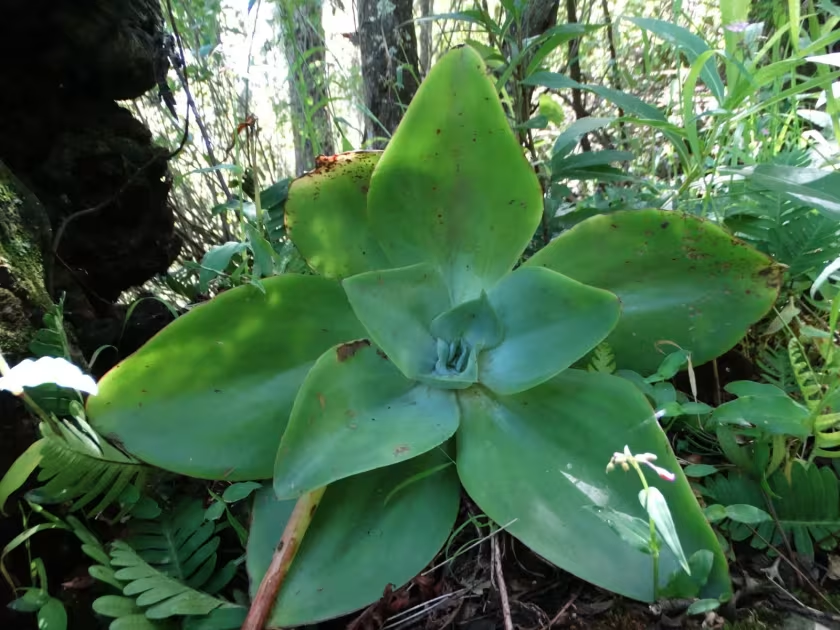
Description
Growing requirements
Echeveria subrigida is a distinctive succulent belonging to the Crassulaceae family, native to the arid highlands of Mexico. It is characterized by large, elegant rosettes of fleshy leaves, often featuring a powdery glaucous coating and pinkish margins.
The plant thrives in bright, filtered sunlight, which is essential for maintaining its structural integrity and leaf coloration. In indoor or greenhouse environments, providing at least 6 hours of indirect light per day is necessary to prevent etiolation.
A well-draining, gritty soil mix is mandatory for healthy growth. A suitable substrate should be composed of horticultural sand, perlite, and coarse potting soil, ensuring that water drains completely after each irrigation session.
Temperature requirements involve keeping the plant in a range of +20...25°C during the growing season. During the winter months, the plant benefits from a cool dormant period at temperatures around +10...15°C to preserve its vitality and prepare for flowering.
Watering practices must be disciplined: the "soak and dry" method is ideal. Water deeply when the substrate is completely dry, ensuring the water does not pool in the crown of the rosette, as this can lead to crown rot.
Main diseases and pests
Root rot is the most significant threat to Echeveria subrigida, typically caused by overwatering or poor drainage. If symptoms appear, immediate repotting into fresh, dry substrate and pruning of affected roots are necessary to save the plant.
Mealybugs are common pests that hide in the tight spaces between leaves. Their presence can be identified by a white, cottony substance; systemic insecticides or manual removal with an alcohol-dipped swab are standard control methods.
Spider mites may infest the plant if the environment is too hot and dry with poor air circulation. Regular inspection and maintaining appropriate humidity levels or applying acaricides are essential for effective pest management.
Fungal infections can develop if there is insufficient airflow around the rosettes. Stagnant air coupled with high humidity provides an ideal environment for pathogens to degrade the foliage and damage the plant's health.
Preventative care, including the removal of dead or decaying lower leaves, helps reduce the risk of mold and insect colonization. Keeping the cultivation area clean and well-ventilated is the foundation of successful commercial or private production.