
Echeveria cuencaensis
Echeveria cuencaensis
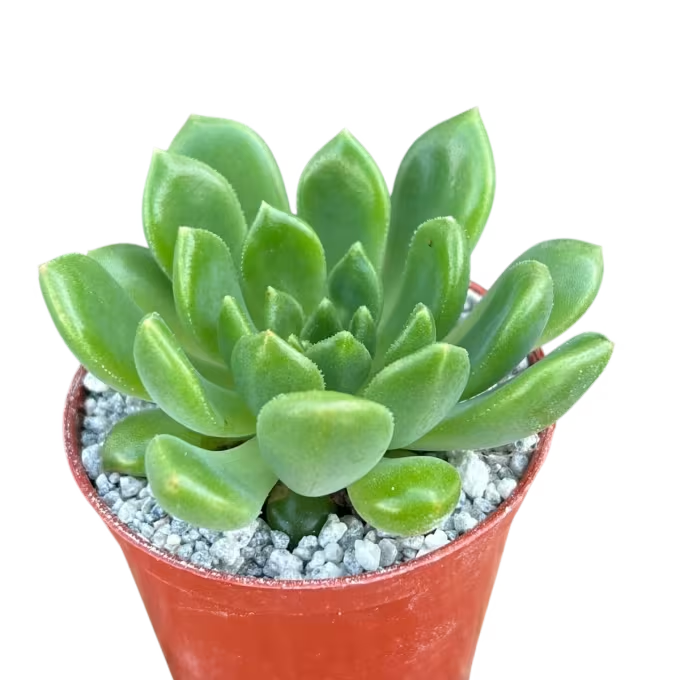
Description
Growing requirements
Echeveria cuencaensis is a succulent plant species belonging to the Crassulaceae family. It is native to the high-altitude regions of Ecuador, which dictates its specific physiological needs and adaptation to mountainous climatic conditions.
The plant is defined by its compact rosette structure, consisting of succulent leaves that store water to survive dry periods. In cultivation, it requires significant light exposure to maintain its geometric shape and prevent etiolation, where the plant stretches abnormally.
Soil composition is critical for this species; it must be highly porous and fast-draining. A typical mix includes cactus soil combined with pumice or coarse grit to ensure adequate aeration around the root zone, preventing moisture retention.
Temperature management involves mimicking the diurnal cycles of its natural habitat. It thrives in moderate temperatures but is sensitive to prolonged damp cold, which can lead to rapid decay of the cellular tissues in the leaves and roots.
Watering requirements follow the soak-and-dry method. Irrigation should be performed only when the substrate is completely dry to the touch, and it is vital to avoid wetting the leaves directly to prevent water spotting or rot in the crown of the plant.
Main diseases and pests
The most common disease affecting Echeveria cuencaensis is root rot, typically caused by overwatering or poor drainage. This condition is often fatal if not caught early by repotting and removing damaged, necrotic root tissue.
Mealybugs are the primary pest concern for this species. These insects thrive in the tight spaces between leaves, where they extract plant sap, leaving behind a white, cottony residue that weakens the host plant over time.
Aphids can target the tender flowering stalks during the active growing season, causing stunted growth and deformity. Treatment involves local application of insecticidal soaps or systemic treatments safe for succulent tissues.
Fungal leaf spot diseases may appear if the ambient humidity is too high and air circulation is insufficient. Ensuring good ventilation is the most effective way to prevent the development of such pathogens in any cultivation environment.
Integrated pest management protocols, including regular visual inspections and proper environmental control, are essential for maintaining the health of the specimens. Avoiding crowding plants too closely together also helps reduce the spread of potential infections.