
Painted Lady
Echeveria derenbergii
Description
Growing requirements
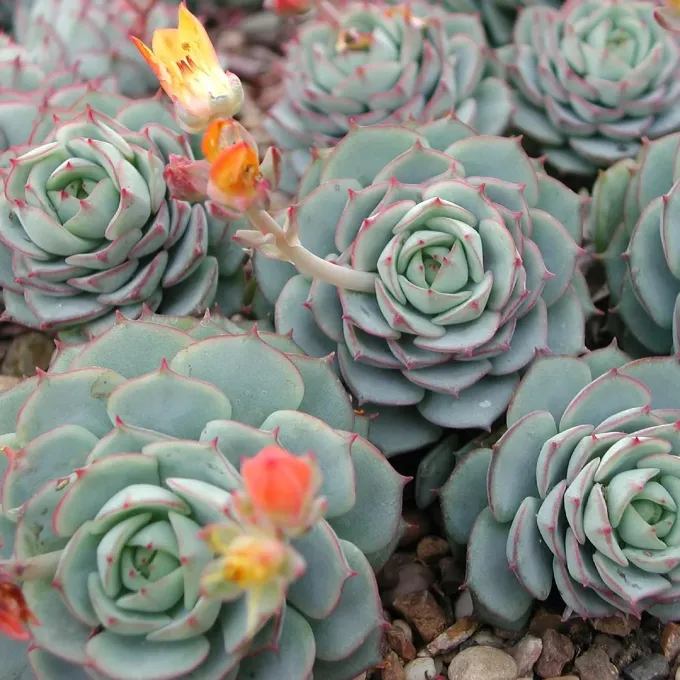
Echeveria derenbergii, commonly known as the Painted Lady, belongs to the Crassulaceae family. This succulent is highly regarded for its distinctive, silver-green, spoon-shaped leaves arranged in a tight, rosette formation.
Originating from the mountainous regions of Mexico, this species thrives in rocky, well-draining slopes. It requires full sunlight to maintain its compact appearance and vibrant leaf coloration throughout the growing season.
Agrotechnical requirements for this plant include a porous, gritty potting mix designed for succulents. Good drainage is non-negotiable, as the roots are highly susceptible to rot if left in standing water.
The watering regime must follow the "soak and dry" method. It is essential to let the soil dry out completely between waterings, as the plant stores moisture within its leaves to survive dry spells in its natural habitat.
Commercially, the Painted Lady is utilized in the ornamental horticulture industry. It is a staple in rock gardens, interior floral arrangements, and succulent vertical wall displays due to its aesthetic appeal and low-maintenance nature.
Main diseases and pests
The most common disease affecting this succulent is fungal root rot, which typically occurs due to overwatering or poor drainage. This condition often results in the softening and eventual collapse of the plant base.
Mealybugs are the primary pest challenge, as they often hide within the tight crevices of the rosette. Monitoring the plant closely for white, cottony deposits is vital for early intervention using appropriate pesticides.
Aphids can sometimes infest the flower stalks during the blooming period. These pests extract sap, causing damage to the reproductive structures and potentially stunting the overall growth of the plant.
Environmental stress, particularly a lack of adequate light, causes the plant to etiolate. This elongated growth is structurally weak, making the specimen more prone to physical breakage and secondary infections.
High humidity combined with low airflow is a recipe for fungal outbreaks. Ensuring proper spacing between plants and maintaining a dry environment around the foliage is critical for long-term health.