
Echeveria cuspidata
Echeveria cuspidata
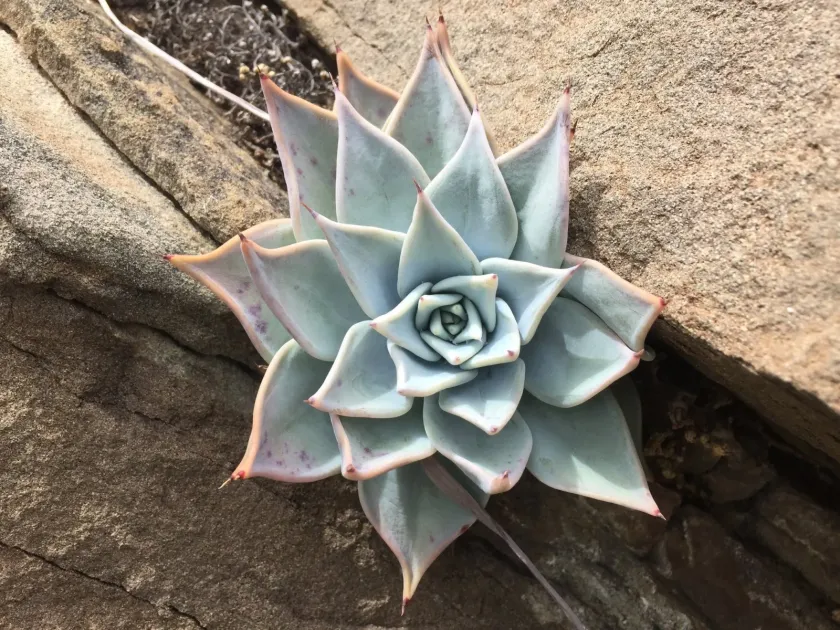
Description
Growing requirements
Echeveria cuspidata is a distinct member of the Crassulaceae family, renowned for its rosette-forming succulent habit. It originates from the rocky, arid landscapes of Mexico, where it has evolved to thrive in high-altitude environments.
Cultivation requires abundant bright light. When grown in indoor environments, these plants benefit from south-facing window exposure or artificial grow lights to maintain their tight, geometric growth pattern.
The soil must be exceptionally porous to allow for rapid drainage. A mixture containing coarse sand, pumice, and a small percentage of organic peat or coconut coir is ideal for preventing root asphyxiation and rot.
Optimal growth is achieved when the plant experiences a cycle of warm days and cooler nights. Temperature fluctuations are beneficial for the plant's coloration and long-term health during the growing season.
Watering practices are the most critical aspect of Echeveria management. The "soak and dry" method is recommended, ensuring the soil is completely dry before introducing more water, especially during the winter dormancy period.
Main diseases and pests
The primary threat to Echeveria cuspidata is root and crown rot, caused by standing water or excessive soil humidity. Fungal pathogens such as Pythium and Phytophthora can compromise the plant's structure rapidly.
Mealybugs are the most common pest observed on this culture. These small, sap-sucking insects shelter in the crevices between leaves, leaving behind sticky honeydew that attracts secondary mold growth.
Root aphids pose a hidden danger, often proliferating in the potting medium and going unnoticed until the plant shows severe signs of dehydration and stunted growth despite regular watering.
Treatment involves removing heavily infested leaves and applying specialized horticultural soaps or systemic insecticides. Preventive measures include maintaining a clean growing area and ensuring proper air circulation around the plants.
- Use of sterilized potting media to prevent soil-borne pests.
- Regular inspection of the root zone for signs of discoloration.
- Strategic placement to avoid stagnant air pockets in the growing environment.