
Echeveria amoena
Echeveria amoena
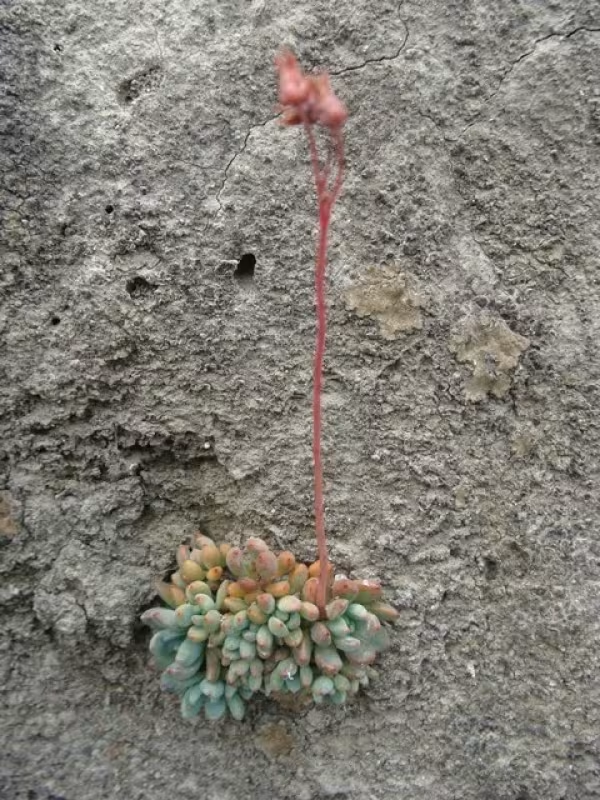
Description
Growing requirements
Echeveria amoena is a perennial succulent plant belonging to the Crassulaceae family. It is native to the high-altitude regions of Mexico, where it grows in rocky environments with thin, well-draining soil, demonstrating high adaptation to arid climate conditions.
The plant features compact rosettes of fleshy leaves, often displaying subtle pink or reddish hues on the margins, which are covered in a natural epicuticular wax. This wax layer is a vital biological feature that minimizes transpiration and reflects excessive solar radiation.
In terms of agricultural requirements, this species demands high light intensity to maintain its characteristic compact morphology. Prolonged exposure to low light causes the plant to etiolate, resulting in elongated, weakened stems and a loss of aesthetic value.
The soil substrate must be highly porous to ensure efficient drainage. A mixture containing pumice, coarse sand, and a small portion of organic peat is ideal. Preventing water accumulation around the stem is critical, as the roots are highly susceptible to oxygen deprivation in waterlogged soil.
Echeveria amoena is widely cultivated in the nursery trade for commercial ornamental use. It is a preferred choice for xeriscaping, container gardening, and indoor arrangements due to its high drought tolerance and low maintenance needs.
Main diseases and pests
The most significant threat to Echeveria amoena is root rot caused by pathogens like Phytophthora or Pythium, which typically develop under conditions of excess moisture. Proper watering intervals are the primary defense against these threats.
Mealybugs are the most common insect pests encountered in cultivation. They congregate in the tight spaces of the leaf rosettes, feeding on plant sap and potentially causing stunted development and the formation of sooty mold on the leaf surface.
Spider mites can also become a problem in environments with poor ventilation and low humidity. Their feeding habits cause chlorosis and localized damage to the leaf tissue, which may weaken the plant significantly over time.
Fungal leaf spot diseases may appear if water remains on the leaves for extended periods. It is highly recommended to water the soil directly, avoiding wetting the foliage to reduce the likelihood of moisture-dependent infection.
Integrated pest management, including the use of systemic insecticides and proper cultural practices, remains the most effective strategy for maintaining high-quality planting stock and ensuring longevity of the individual plants.