
Echeveria compressicaulis
Echeveria compressicaulis
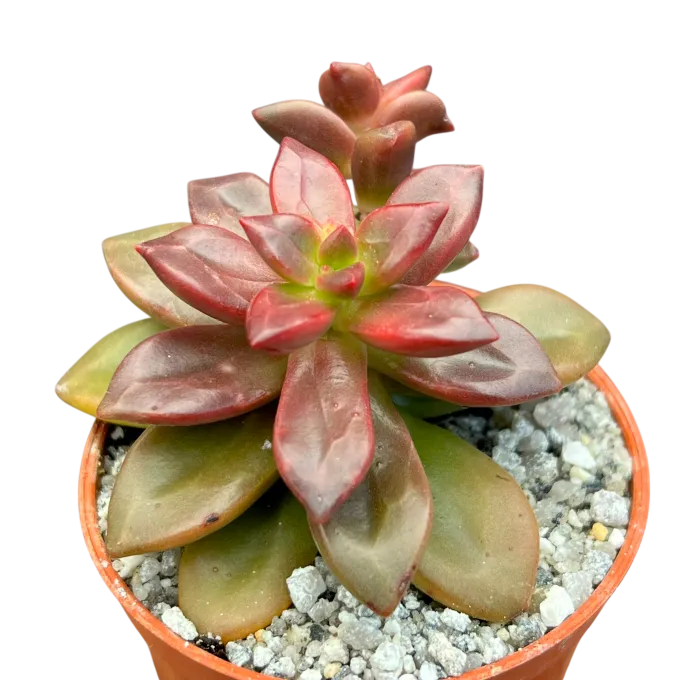
Description
Growing requirements
Echeveria compressicaulis is a distinct species of succulent belonging to the Crassulaceae family. It is recognized for its unique compact growth habit and specialized stem structure, which makes it a highly prized specimen among succulent enthusiasts.
Originating from the mountainous regions of Mexico, this plant has adapted to survive in harsh rocky environments. Its natural habitat includes well-drained slopes, which have dictated its specific requirement for excellent drainage in cultivation.
The plant requires bright, indirect light to maintain its morphological features. Exposure to adequate light ensures that the rosette remains tight and its leaves retain their intended shape and coloration, preventing etiolation.
Soil requirements are strict, favoring a porous, mineral-rich medium. A blend of high-quality cactus soil, pumice, and grit is essential to prevent moisture accumulation and root suffocation, which the species is prone to if the substrate is too dense.
Proper temperature management includes warmth during the growing season and a cooling period during winter. Keeping the plant in a cooler environment at about 10-12 degrees Celsius helps stimulate natural dormancy and supports overall plant health.
Main diseases and pests
The primary threat to this species is overwatering, which quickly leads to root and stem rot. Because the plant stores water in its leaves, it can easily succumb to fungal issues if the soil remains wet for extended periods during low-light conditions.
Mealybugs represent a common pest threat, particularly because they tend to nest in the crevices between the tightly packed leaves. Their presence can severely weaken the plant and lead to stunted growth if not addressed immediately.
Spider mites can also cause significant damage, especially in dry, warm indoor environments. They feed on the sap of the plant, leaving behind unsightly necrotic spots and eventually causing the leaves to drop.
Preventative care involves ensuring good air circulation around the plant. This helps regulate the microclimate and reduces the likelihood of both fungal pathogens and infestations from aerial pests that thrive in stagnant air.
If chemical intervention is necessary, it is vital to choose products formulated for succulents that do not damage the delicate epicuticular wax on the leaves. Always test on a small leaf area first before applying to the entire plant.