
Echeveria sonianevadensis
Echeveria sonianevadensis
Description
Growing requirements
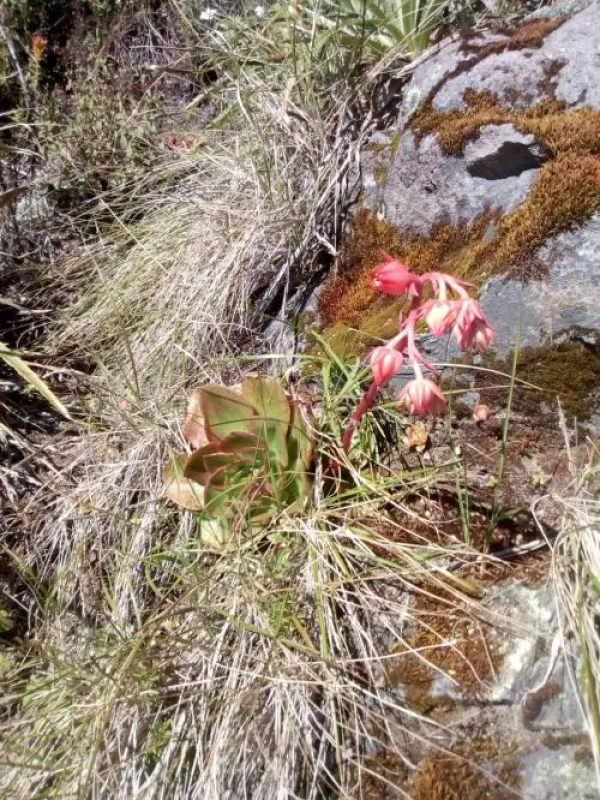
Echeveria sonianevadensis is a perennial succulent plant belonging to the Crassulaceae family. Native to the mountainous regions of Mexico, specifically the state of Sonora, this species has evolved to thrive in rocky, high-altitude environments characterized by seasonal rainfall and high sun exposure.
The botanical structure of the plant features dense, symmetrical rosettes of fleshy, succulent leaves. These leaves act as water storage organs, allowing the plant to survive extended periods of drought, while a natural waxy coating provides protection against intense UV radiation.
Successful cultivation requires high levels of bright light to maintain the compact, aesthetic rosette shape. If grown indoors, it is recommended to place the plants in the sunniest location available or use supplemental high-intensity LED lighting to prevent etiolation.
The soil requirements are strict: the medium must provide excellent aeration and rapid drainage. A mixture of horticultural grit, pumice, and minimal organic matter is ideal, as it replicates the rocky soil conditions of its natural habitat in Sonora.
Agricultural management centers on the soak-and-dry irrigation method. Water should only be applied when the substrate is completely dry throughout the container. Over-fertilization should be avoided, as it leads to rapid, weak growth that makes the plant susceptible to pests.
Main diseases and pests
Root rot caused by Phytophthora or Pythium fungi is the most significant threat to Echeveria sonianevadensis. This condition is almost exclusively the result of waterlogged soil, emphasizing the importance of proper drainage systems in commercial succulent production.
Mealybugs are the primary pest concern, as they hide deep within the crevices of the dense rosette leaves, making them difficult to detect early. If an infestation occurs, manual removal followed by systemic insecticide application is typically required to clear the plants.
Spider mites can become problematic during hot, dry periods when the humidity levels are consistently low. They feed on the leaf tissues, causing stippling and visible decline in plant vitality, which requires immediate quarantine and treatment with miticides.
Bacterial soft rot can occur if water sits in the center of the rosette, especially during periods of high humidity and poor air circulation. Proper spacing between plants and the use of fans to ensure consistent airflow are critical prophylactic measures for large-scale operations.
Fungal leaf spots may develop if the plant is subjected to prolonged dampness. Integrated pest management (IPM) strategies, including regular monitoring and the use of preventative fungicides during the rainy season, are essential for maintaining the health and market value of the crop.