
Echeveria setosa hybrid
Echeveria setosa x Echeveria gibbiflora
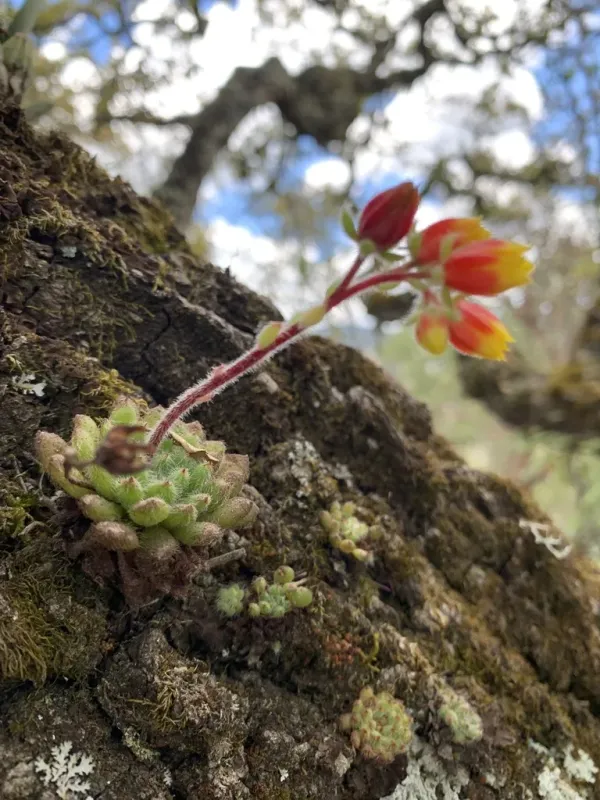
Description
Sowing dates
The propagation of the Echeveria setosa hybrid is primarily achieved through vegetative methods, ensuring the stability of its distinct genetic traits.
Leaf cuttings serve as the most efficient way to multiply the stock, provided they are harvested during the active growth period in spring.
Before planting, the cuttings require a callus formation period, during which they are left in a dry and shaded area for several days.
Once the callus has formed, the cuttings are placed in a porous, fast-draining substrate to initiate the development of a healthy root system.
Proper management of light and moisture during this propagation phase is critical for achieving a high success rate in commercial cultivation.
Growing requirements
As a member of the Crassulaceae family, the Echeveria setosa hybrid thrives in bright, direct sunlight which maintains its compact rosette structure.
The cultivation medium must be highly permeable, typically composed of a mix of succulent-specific soil, perlite, and coarse sand for aeration.
Climatic requirements involve warm temperatures during the day and a cooler, dry environment to simulate the natural mountain habitat of the species.
Watering protocols should follow the soak-and-dry method, ensuring the soil is completely dehydrated before the next water application to prevent root issues.
Good air circulation is essential to prevent the accumulation of humidity within the leaves, which can lead to fungal outbreaks in sensitive hybrid varieties.
Main diseases and pests
Root rot remains the most significant threat to this crop, usually stemming from overwatering or poorly drained pots that create an anaerobic environment.
Mealybugs are the primary pest concern, frequently nesting deep within the leaf axils where they are difficult to detect during early infestations.
Aphid colonies can occasionally target the delicate flower stalks, requiring mechanical removal or targeted insecticide application to protect the plant.
Regular sanitation of the growing environment is a key strategy for preventing the spread of common succulent pests and soil-borne pathogens.
Monitoring for signs of stress, such as yellowing leaves or loss of plant firmness, allows for timely intervention before the infection reaches the core.