
Echeveria setosa
Echeveria setosa Rose & Purpus
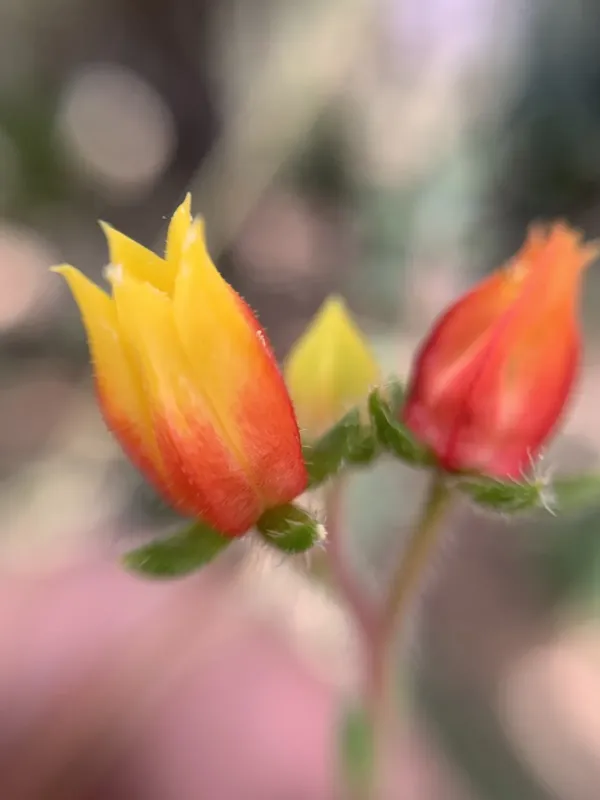
Description
Sowing dates
Echeveria setosa is commonly propagated through vegetative methods, such as leaf cuttings or the separation of offsets, which ensures a faster establishment of the plant.
The ideal season for propagation is spring or early summer, allowing the new plants enough time to establish roots before the cooler dormant period sets in.
When using leaf cuttings, it is crucial to allow the cut end to callous for several days in a dry, shaded place to prevent rot during the rooting process.
Seed sowing is performed in a light, sandy substrate; the seeds should not be covered with soil, as they require light to germinate effectively.
Maintaining a consistent environment with temperatures between 22°C and 25°C is essential for successful germination and early seedling development.
Growing requirements
Echeveria setosa, a member of the Crassulaceae family, originates from the mountainous regions of Mexico, where it grows on rocky slopes.
This species requires high light intensity; direct morning sun or bright indirect light is necessary to maintain the compact, rosette-forming habit and the distinctive hairiness of its leaves.
A fast-draining substrate is mandatory, typically consisting of a mix of potting soil with a high percentage of pumice, perlite, or coarse sand to avoid moisture retention.
The plant thrives at temperatures between 20°C and 28°C during the active growth phase and prefers cool, dry conditions during its winter dormancy.
Irrigation must be performed carefully; water should be applied directly to the soil, avoiding the center of the rosette to prevent fungal rot and leaf damage.
Main diseases and pests
The most significant threat to Echeveria setosa is root rot caused by poor drainage or overwatering, especially during cooler, low-light months.
Mealybugs are the most common pests found on this succulent, frequently colonizing the spaces between the leaves where they are shielded by the plant's natural fuzz.
In cases of infestation, localized treatment with insecticidal soap or systemic pesticides is recommended to protect the integrity of the plant.
Poor ventilation and high humidity can lead to the development of fungal infections, which manifest as spotting or tissue decay on the leaves.
To ensure plant health, growers should practice strict hygiene, remove any dead lower leaves regularly, and maintain an adequate airflow in the cultivation area.