
Echeveria runyonii x shaviana
Echeveria runyonii Rose ex E. Walther x Echeveria shaviana E. Walther
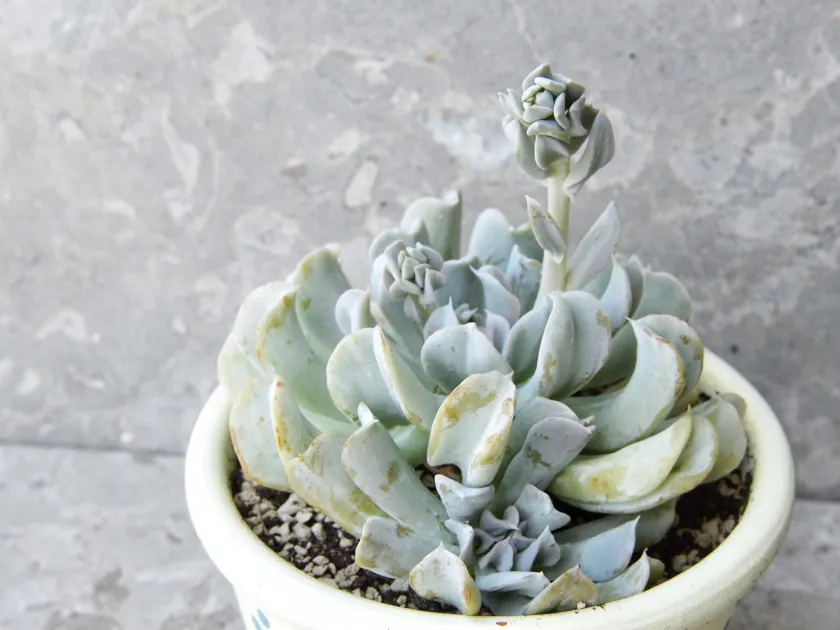
Description
Growing requirements
Echeveria runyonii x shaviana is a sophisticated succulent hybrid belonging to the Crassulaceae family. It is prized by horticulturists for its distinct rosettes featuring frilly leaf edges that add significant architectural interest to any collection.
The cultural requirements demand high light intensity for at least 6 hours daily. While it enjoys the sun, protection from intense mid-afternoon summer heat is crucial to prevent leaf scorching and to maintain the integrity of the waxy cuticle covering the foliage.
Soil requirements focus on extreme porosity and rapid drainage. A standard succulent mix amended with inorganic materials such as pumice, grit, or perlite is essential to ensure that roots do not remain damp, which is critical in preventing root rot.
Temperature management should mirror its natural habitat, with warm growing conditions between +20°C and +26°C. During the dormant winter season, cooler temperatures between +10°C and +15°C are beneficial to simulate natural cycles and encourage spring blooming.
Watering protocols follow the soak-and-dry method. It is imperative to allow the substrate to dry out completely before providing more water. When irrigating, direct water toward the soil to keep the leaves dry, as standing water in the rosette can cause rot.
Main diseases and pests
The most significant threat to this variety is overwatering leading to fungal infections. Root and stem rot are often irreversible, necessitating early detection and propagation of healthy leaves to save the specimen from complete decay.
Mealybugs are the most common pests found on Echeveria. These sap-sucking insects reside in the crevices between leaves. Regular inspection and localized treatment with isopropyl alcohol or horticultural soaps are effective control measures.
Etiolation occurs if the plant is deprived of adequate light, resulting in stretched stems and weakened leaf structure. To correct this, the plant should be gradually acclimated to a brighter environment, and if necessary, beheaded to restart its growth.
Spider mites may occasionally infest the plant, particularly in dry, stagnant air conditions. Their presence is indicated by fine webbing and yellowing of the leaves. Maintaining proper air circulation is the best preventative measure against mite outbreaks.
Bacterial spot disease can occur if the plant is subjected to high humidity and poor ventilation. Keeping the surface of the soil clean and removing any dead or decaying lower leaves helps minimize the environment suitable for pathogen proliferation.